REVIEW · TULUM
2 cenote divings (including one deep diving) for advanced divers in Tulum
Book on Viator →Operated by La Calypso Dive Center · Bookable on Viator
Two cenotes feel like two different planets. This small-group setup puts you in the Pit to 25 meters with real cave-cenote conditions, then carries you to Dos Ojos with big limestone walls and a bat cave scene. One consideration: the Pit section needs advanced certification proof and asthma isn’t recommended.
I like the plain way this tour runs. You meet at La Calypso to gear up, then you’re guided through the “what to do” before you ever get wet. In particular, divers mention guides like Martino and Alex for careful briefings and a calm, safety-first vibe.
It’s also not a long, relaxed day. Expect about 5 hours, start time 8:00am, and the tour ends back at the same meeting spot—there’s no hotel pickup, and the schedule is tight.
In This Review
- Key highlights you’ll feel immediately
- Price and value: what your $215 covers (and what it doesn’t)
- Getting ready at La Calypso: the meeting-point reality check
- Stop-by-stop schedule: how the day flows
- Stop 1: La Calypso Dive Center (gear up and briefing)
- Stop 2: Cenote Dos Ojos (first swim area and setup)
- Stop 3: Parque Dos Ojos (entry and time in the maze)
- The Pit cenote: 25 meters, sulfur cloud visuals, and halocline conditions
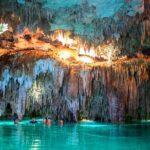
- Cenote Dos Ojos: limestone formations, bat cave, and light play
- What “small group” really buys you here
- Who this tour suits best (and who should skip it)
- Guide quality: why Martino and Alex keep getting named
- Practical tips to get the most from your 8:00am start
- Should you book this advanced Tulum cenote combo?
- FAQ
- What’s the duration of the tour?
- What time does it start in Tulum?
- Where do I meet, and does the tour return there?
- What’s the price per person?
- What’s included in the cost?
- What’s not included?
- What certification do I need for the Pit?
- Is this tour okay for people with asthma?
- How many people are in the group?
- What’s the cancellation rule?
Key highlights you’ll feel immediately
- Pit route built for advanced divers with sulfur-cloud visuals and halocline conditions
- Dos Ojos underwater terrain with dramatic light play and the bat cave area
- Small group size capped at up to 4 people for less waiting and more attention
- Everything gear-related is included so you can travel light
- Early timing helps you spend more time enjoying the place, not waiting around
- Guide support stays front-and-center, with clear instructions before you enter the water
Price and value: what your $215 covers (and what it doesn’t)
At $215 per person, this is a mid-range price for advanced cenote scuba. The value comes from what’s packed in: you get round-trip transportation between the dive center and the cenotes, the use of scuba equipment, plus cenote entrance fees. You’re also paying for a driver/guide, not just a ticket.
What isn’t included matters. There’s no hotel pickup/drop-off, and no breakfast or lunch is listed. So you’ll want to plan your day around the 8:00am start and eat before you go—or bring your own plan once you’re back.
Also worth noting: once you enter the water and begin the activity, no refunds are offered. That’s pretty standard for this kind of underwater, safety-regulated experience, but it’s still something you should think about ahead of time.
Other cenote tours we've reviewed in Tulum

Getting ready at La Calypso: the meeting-point reality check
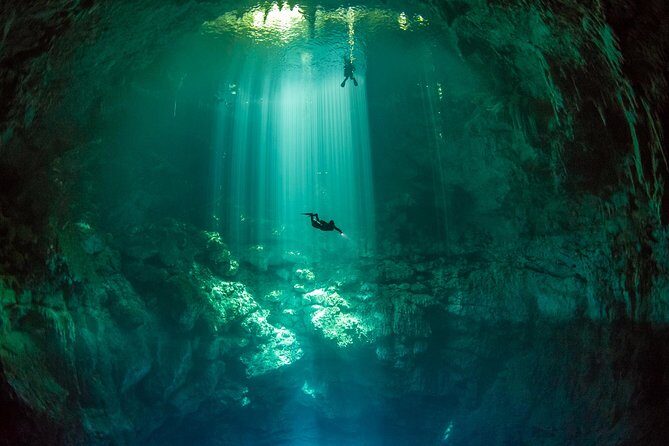
The day starts at Calle Sagitario Pte. 872, Tulum Centro, 77760. From there, you don’t have to wonder where to sign in or how gear works—you show up, get fully equipped, and then the group heads out.
Why I think this matters: cenote days move fast. When gear and briefing happen before transport, you waste less time and you arrive at the water feeling ready, not rushed. One thing I also like is that the meeting point is in Tulum Centro and is described as near public transportation, so you’re not locked into a specific taxi deal.
Gear is included, which is a big deal if you’re arriving in Mexico already tired from packing and moving hotels. The tour also uses a mobile ticket, so it’s one less paper thing to manage.
Stop-by-stop schedule: how the day flows
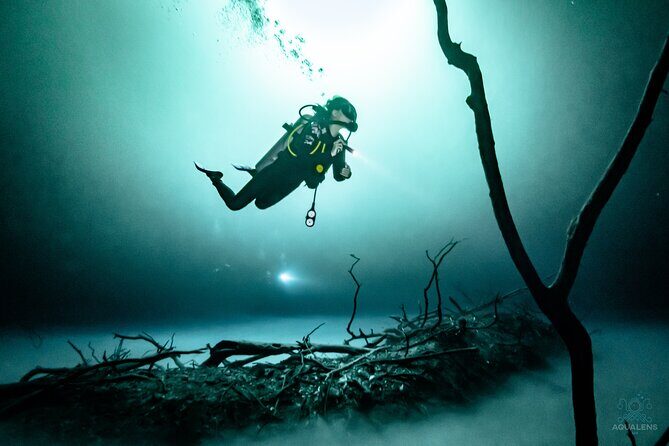
This experience is built around two separate cenote sessions, in roughly a 5-hour block. The order is straightforward: first the Pit (the advanced, deeper segment), then Dos Ojos.
Stop 1: La Calypso Dive Center (gear up and briefing)
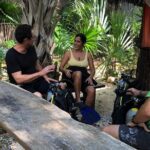
You meet at La Calypso and get fully equipped. This is where the day’s tempo gets set. You’ll get the safety briefing and route expectations before you enter the water.
Based on what divers highlight, a good briefing isn’t just nice—it’s essential in cenotes. Light changes fast underwater, distances can feel misleading, and cave-cenote routes require you to stay calm and consistent. Guides like Martino and Alex are specifically praised for briefing clarity, which tells me the “how we’ll do this” part isn’t treated like filler.
Possible downside: if you’re the type who likes extra time to double-check everything yourself, the day may feel a bit structured. But for advanced cenote work, that structure usually helps.
Stop 2: Cenote Dos Ojos (first swim area and setup)
Even though the itinerary list names Cenotes Dos Ojos, the tour description makes clear the day begins with the Pit and then moves into Dos Ojos. So think of this stop as the transition from the gear-and-move phase into the Dos Ojos part of the plan.
This is also where you’ll likely feel the difference in environment. The Pit is about controlled depth and conditions. Dos Ojos is about movement through limestone features, with lots to look at.
What can be a drawback here: Dos Ojos can feel more “popular” than the Pit experience. That’s not a safety issue. It’s just a vibe issue—more swimmers, more activity in some sections depending on timing. The upside is that your start time helps, so you may catch more quiet moments.
Other scuba diving tours we've reviewed in Tulum
Stop 3: Parque Dos Ojos (entry and time in the maze)
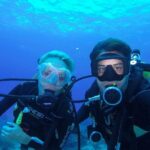
This stop lines up with the access area for Dos Ojos and the surrounding park entry. Practically, this is the segment where you spend time in the underwater terrain people come for: the limestone formations, bat cave area, and the way sunlight behaves when it hits the water.
If you like photos: Dos Ojos gives you more visual variety than the Pit. If you like “doing the work right”: the Pit asks for extra control and attention to depth and conditions.
The Pit cenote: 25 meters, sulfur cloud visuals, and halocline conditions
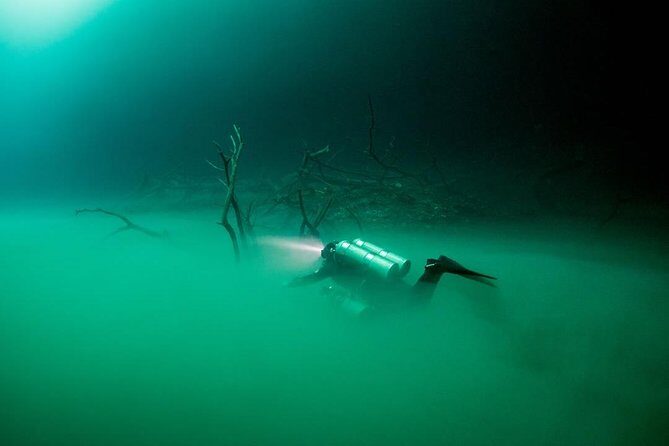
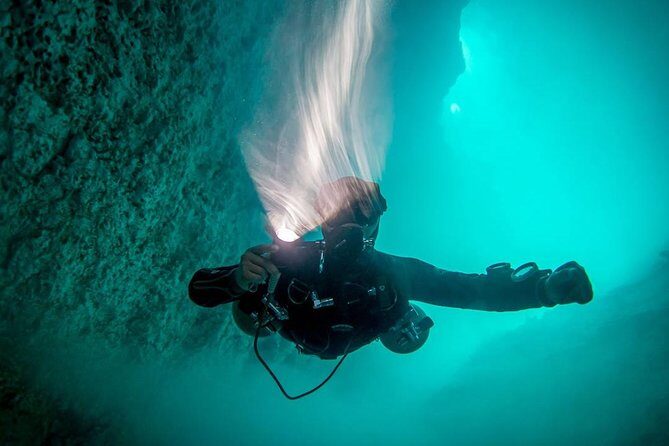
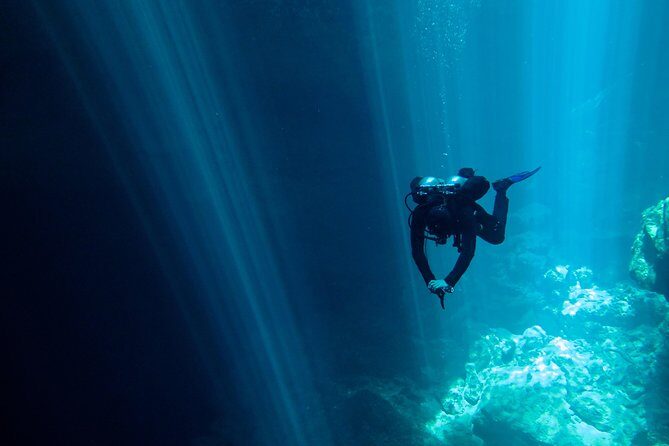
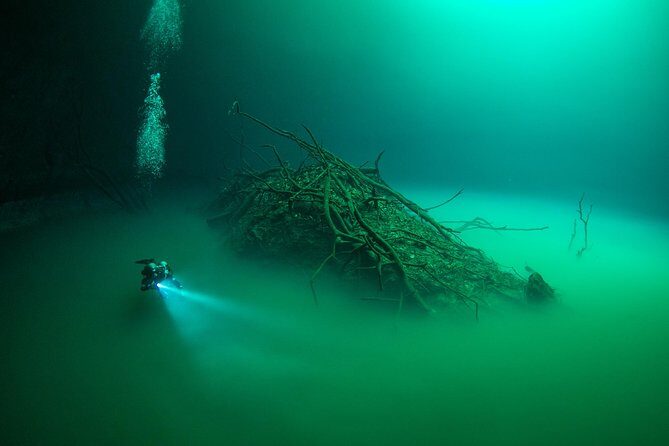
The standout moment is the Pit session. The tour description calls it a bottomless-well style cenote, with a sulfur cloud at 25 meters and a halocline (a layered change in water properties). You also get cavern scenery as you work through the underwater environment.
Here’s what this means for you, as an advanced diver:
- You’re not just visiting a room of water. You’re experiencing a specific depth-related environment where conditions shift.
- The halocline can change how the water looks and how visibility feels. It’s the kind of thing that makes good technique and calm breathing matter.
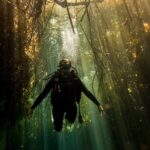
- The sulfur cloud is one of those “you don’t forget this” visuals. One diver specifically described being greeted by sun rays and seeing a magical light effect when the group was early.
Safety note: this Pit section requires evidence of advanced (level 2) certification. If you don’t have the right documentation, you won’t be allowed to participate in that deep segment. Open Water divers with deep certification are noted as able to deep dive in cenotes, but the requirement still centers on having the proper proof.
If you’re tempted to go “just to see,” don’t. This is not the kind of activity to wing. Advanced conditions deserve advanced planning.
Cenote Dos Ojos: limestone formations, bat cave, and light play
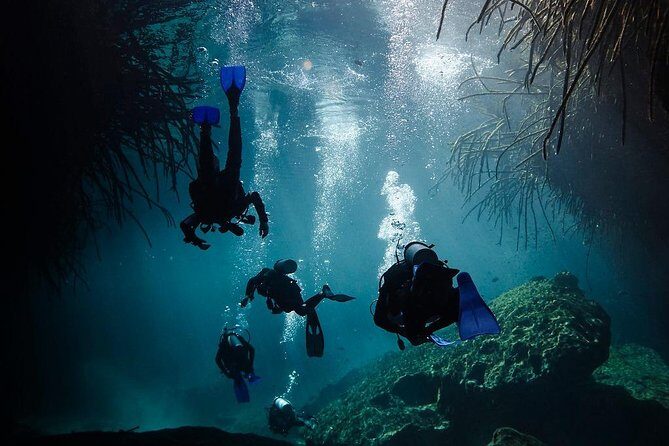
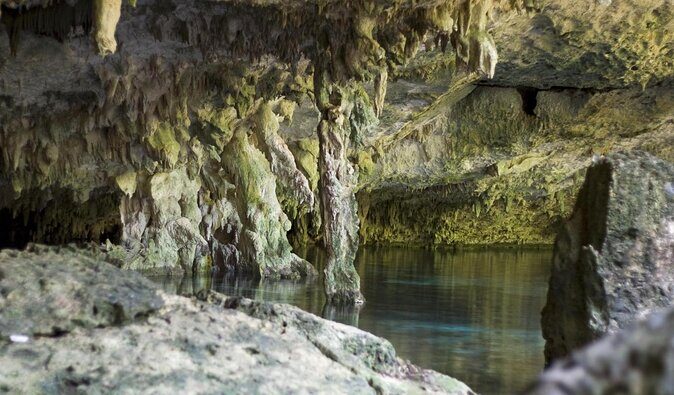
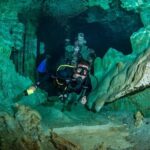
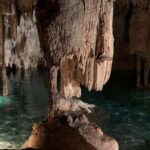
After the Pit, you move into the world people associate with Dos Ojos: millions of limestone formations and a route that can feel like swimming through a natural sculpture garden.
The tour description highlights several features:
- Bat cave underwater area
- Incredible plays of lights as sunlight filters in
- Underwater surprises along the way
One reason Dos Ojos is such a classic: it gives you more time to look, not just track. The formations are visually busy, and the “light show” can be part of what keeps you feeling present during the swim.
A useful way to think about the two cenotes:
- The Pit is where you prove control in a deeper, more conditional environment.
- Dos Ojos is where the experience becomes about visuals, navigation, and steady movement through a recognizable favorite.
One practical consideration: because Dos Ojos is famous, you’re more likely to encounter other divers. Your early start helps you spend time with fewer crowds, which can make the water feel quieter and more personal.
What “small group” really buys you here
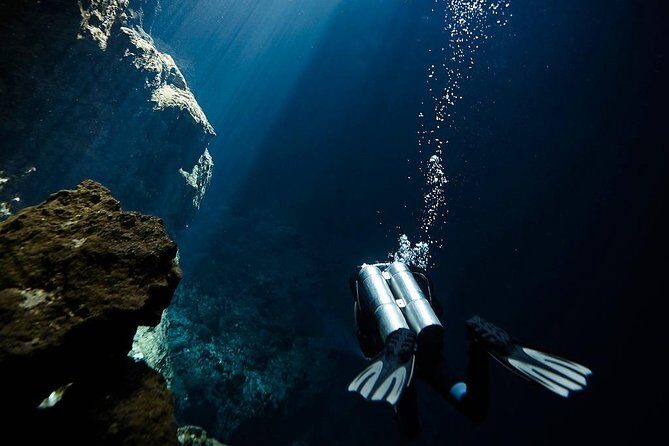
The tour is set up for up to 4 travelers. That size change is not just marketing. It directly affects how the day feels underwater.
With fewer people, you’re more likely to:
- get more personal attention during gear checks and briefing
- move as a controlled group instead of waiting on bottlenecks
- spend more time enjoying the scenery instead of staging
Also, small group days can be more fun socially. You tend to share the moment with fewer strangers, and you’re less likely to feel “processed.”
Who this tour suits best (and who should skip it)
This is clearly aimed at divers who already know their way around cenotes and are comfortable with advanced conditions.
It fits best if you:
- have advanced (level 2) certification proof for the Pit
- feel at ease with depth and changing visibility/conditions
- want a guided experience that prioritizes safety and calm instruction
- prefer a smaller group size
It’s a bad match if you:
- have asthma (not recommended)
- have a medical condition that might be triggered or worsened by diving—especially if it hasn’t been cleared by a doctor
The tour also states you’ll complete a health questionnaire before diving. And if you flew recently, diving within 24 hours of flying isn’t recommended. That’s an important constraint if your itinerary includes tight connections.
Guide quality: why Martino and Alex keep getting named
In cenote work, the guide is not a nice-to-have. The guide is the difference between a smooth day and a tense one.
Two names show up with strong praise: Martino and Alex. Divers describe Martino as taking good care, explaining the briefing well, and keeping the mood professional but relaxed. Alex is also mentioned for strong cave-cenote expertise, including awareness of the area and a confident approach to safety.
Even if you’re an experienced diver, you’ll still benefit from a guide who focuses on:
- clear route expectations
- pacing that fits the group
- safety checks that aren’t rushed
And since this tour is built for advanced conditions (including that Pit depth), having that kind of guidance matters.
Practical tips to get the most from your 8:00am start
The meeting time is 8:00am, and the tour is around 5 hours total. That early start isn’t just scheduling—it’s a big part of the experience. One diver described being among the first at the Pit, with sun rays and a near-empty feeling that made the place feel magical.
So here’s how to set yourself up:
- Arrive early enough to feel calm during gear prep.
- Bring a plan for food since breakfast and lunch aren’t included.
- If you’re sensitive to medical constraints, treat the health questionnaire seriously and talk to your doctor ahead of time.
If you’re traveling from elsewhere in Mexico, also keep the “no diving within 24 hours of flying” rule in mind. It’s the kind of detail that can save your whole trip.
Should you book this advanced Tulum cenote combo?
I’d book this tour if you’re an advanced diver and you specifically want the Pit experience at 25 meters plus a classic Dos Ojos route with major limestone and bat cave visuals. The combination of gear included, transport included, and entrance fees included makes the $215 price feel more realistic than cheaper-looking options that later charge for everything.
I would skip it (or at least not plan the Pit) if you don’t have the right certification proof, if asthma applies to you, or if you’re dealing with health uncertainties that haven’t been cleared. Also, if you need a no-stress hotel pickup day, this isn’t that—it starts in Tulum Centro and returns to the same place.
If you do match the requirements, this is the kind of Tulum experience that gives you a strong story: one session where conditions demand control, then another where the water turns into light and limestone.
FAQ
What’s the duration of the tour?
It runs about 5 hours.
What time does it start in Tulum?
The start time is 8:00am.
Where do I meet, and does the tour return there?
You meet at Calle Sagitario Pte. 872, Tulum Centro, 77760 Tulum, Q.R., Mexico and the activity ends back at the same meeting point.
What’s the price per person?
The price is $215.00 per person.
What’s included in the cost?
Included are the driver/guide, round-trip transportation between the dive center and the cenotes, scuba equipment, and cenote entrance fees.
What’s not included?
Breakfast and lunch aren’t included, and there is no hotel pick up or drop off.
What certification do I need for the Pit?
You need evidence of advanced (level 2) certification for the Pit portion. Open Water divers with deep certification can also do the Pit.
Is this tour okay for people with asthma?
It’s not recommended for travelers with asthma. You’ll also complete a health questionnaire before diving, and some medical conditions may prevent diving.
How many people are in the group?
The tour lists a maximum of 4 travelers.
What’s the cancellation rule?
You can cancel for a full refund up to 24 hours before the experience starts. Within 24 hours, there’s no refund.


More Tour Reviews in Tulum
- Selva Maya Eco Adventure Park: Ziplining, Hanging Bridges, Rappelling and Cenote
★ 5.0 · 1,057 reviews


More Scuba Diving Tours in Tulum
More Cenote Tours in Tulum
- Selva Maya Eco Adventure Park: Ziplining, Hanging Bridges, Rappelling and Cenote
★ 5.0 · 1,057 reviews