REVIEW · TULUM
Birdwatching in Coba from Tulum – Shared Group Tour
Book on Viator →Operated by Amar Aves: Birdwatching and Mayan culture · Bookable on Viator
Cobá birding starts before most people wake up. This shared, max-10 tour turns a morning of Cobá’s trails, village edges, and lagoon surroundings into real bird time, guided by experts such as Miguel and Claudio. I love how the day is planned around bird sightings (not just a quick drive-by), and I also love the mix of nature stops with real Mayan culture through the included meal. The one drawback to plan for is the early start at 6:00am, and the fact that binoculars aren’t included.
The logistics are straightforward: you get an air-conditioned vehicle transfer, coffee/tea and snacks to get moving, and plenty to drink during the morning. I also like the tour’s waste-reduction approach, where they provide bottled water and can give you a refill bottle if you do not have one. Just know that pickup details depend on where you stay in Tulum, and there are extra pickup fees for some hotel zones.
In This Review
- Key Highlights You’ll Feel in the Field
- Why Cobá Birding Works Better Than a Ruins-Only Morning
- Tulum Pickup and the 6:00am Reality Check
- Stop 1 in Tulum: The Quick Setup Before Birds
- Cobá Birding in Village and Lagoon Surroundings (About 1 Hour)
- Cobá Archaeological Site Birding (2 Hours With Tickets Handled)
- Cobá Meal Break: Mayan-Family Lunch and a Local Brunch Finish
- Guides You’ll Actually Want to Follow (Miguel, Claudio, Luciano)
- What You’re Paying for With the $149 Price Tag
- Getting the Best Bird Views: How to Act on This Tour
- Packing Notes That Matter Here
- Should You Book This Tour or Skip It?
- FAQ
- What time does the tour start in Tulum?
- Where is the meeting point in Tulum?
- How big is the group for this shared tour?
- Is lunch included, and what type is it?
- What food and drinks are included during the morning?
- Do I need to bring binoculars?
- Are archaeological admission fees included?
- How does pickup from my hotel work?
- Is the tour only in English?
- What happens if the weather is bad?
- What is the cancellation policy?
Key Highlights You’ll Feel in the Field
- Small group size (up to 10) keeps the pace calm and the group easier to manage for spotting
- 6:00am start lines you up with active birds in Cobá’s habitats
- Lagoon and village-edge birding gives you a better shot at wetland species
- Two hours at the Cobá ruins site adds shade, perches, and structured time for careful scanning
- Lunch in a local Mayan family home adds culture without turning it into a demo
- Admission fees and taxes are handled so you’re not hunting for tickets mid-day
Why Cobá Birding Works Better Than a Ruins-Only Morning
Cobá is famous for the archaeological site, but birds care less about your history checklist. They care about habitat: water nearby, fruiting trees, open edges, and forest corridors that create predictable spots to scan. This tour is built for that logic. You move through multiple birding environments in the same morning: village and lagoon surroundings first, then the ruins area for a more structured two-hour bird circuit.
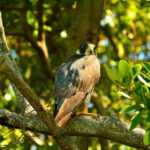
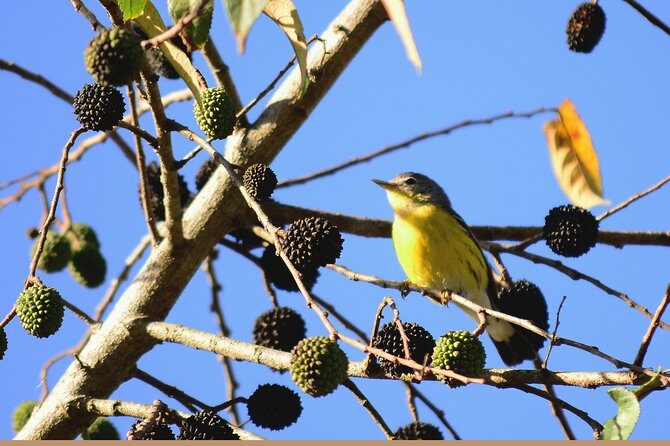
The result is the kind of day where you can stack sightings quickly without feeling rushed. In past outings tied to this company, people report lifers and standout birds like motmots, trogons, jays, bentbills, toucans, and more. Even if you are brand new to birding, your guide’s job is to turn what you see into something you can name and understand.
The second part I like is that the day doesn’t treat culture as a checkbox. There’s an actual lunch in a Mayan home, and the tour framing includes context about the ecology and how people have lived with this environment. That makes the ruins feel less like background scenery and more like part of the same story the birds are living in.
Other Riviera Maya day trips we've reviewed
Tulum Pickup and the 6:00am Reality Check
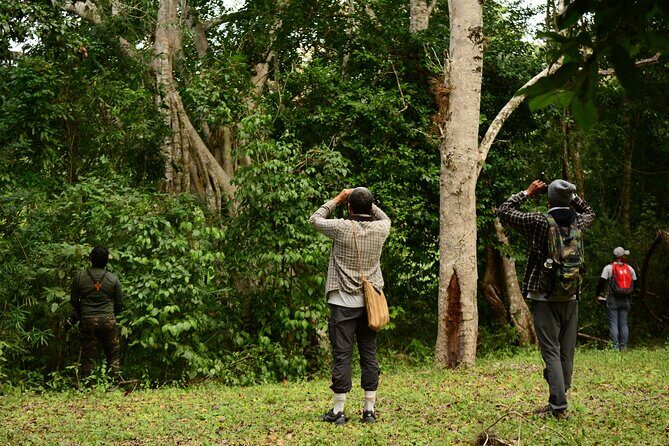
The tour meets in Tulum at Tulum Tours – Mexico Kan Tours, on Avenida Tulum S/N between Orion and C. Centauro Sur (Tulum Centro). The start time is 6:00am, and that early departure is part of the value. Morning birds are simply more active, and you’ll get longer useful daylight back in the field.
You have a couple of ways to handle transportation. The tour includes air-conditioned vehicle transfers, but the tour data also notes extra pickup fees from some Tulum hotels (+55 USD per person), plus additional fees for pickup locations north of Tulum (quote provided based on your zone). If you are staying outside the typical pickup area, confirm the price before you arrive.
One extra note that can matter if you prefer your own car: you can meet in front of the shop and do the tour with your vehicle. In that case, you’ll need space in your car for the guide to join you for the drive to Cobá.
Finally, this is a good-weather-dependent day. The tour requires good weather, and if poor conditions cause cancellation, you will get a different date or a full refund.
Stop 1 in Tulum: The Quick Setup Before Birds
The day begins on Avenida Tulum. Think of this first segment as the moment where the guide gets your group organized and sets expectations for the morning. You’ll be starting from the Mexico Kan Tours shop area, which is easy to find if you’re already planning to be out early.
What you should do here: be ready to tell the guide what you care about most. Even with a shared tour, strong guides can adjust their scanning priorities. If you have a short list of birds you dream about, ask early. That simple move can change what you notice when the first calls start carrying through the trees.
Also: if you want to avoid stress later, make sure you have your binocular situation sorted. Since binoculars are not included, either bring your own or let them know in advance that you need to borrow a pair.
Cobá Birding in Village and Lagoon Surroundings (About 1 Hour)
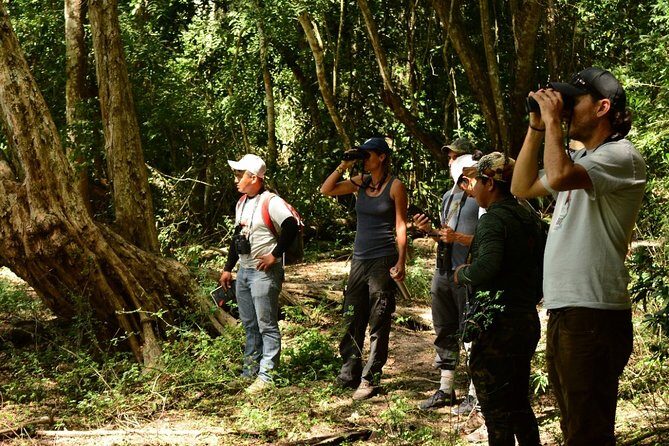
Once the group reaches Cobá, you start with a short briefing and a basic fuel-up: coffee or tea, fruit, and an energy bar. That sounds small, but it matters at 7 hours into a morning that starts before sunrise. It also gives you a chance to get your bearings before walking into the spots where birds are most likely to show themselves.
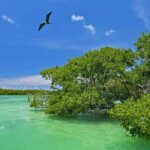
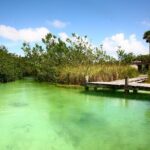
Then comes the birdwatching portion in and around the Cobá village and lagoon surroundings. This is where the tour’s habitat planning shows. Lagoon-edge birding can bring wetland species into view that you won’t reliably see in dry forest trails.
From past sightings tied to this kind of Cobá morning, pay attention to birds like jacana (including reports of a northern Jacana with giant toes), purple gallinule, ruddy crakes, and other shoreline birds. You might also hear calls that hint at larger species nearby even when they stay partly hidden.
The time block is about an hour. That can feel short until you realize the guide is using it like a focused search window. With a small group, you don’t spend the time you would normally spend regrouping, and you get to stay in the most birdy micro-areas rather than wandering.
Cobá Archaeological Site Birding (2 Hours With Tickets Handled)
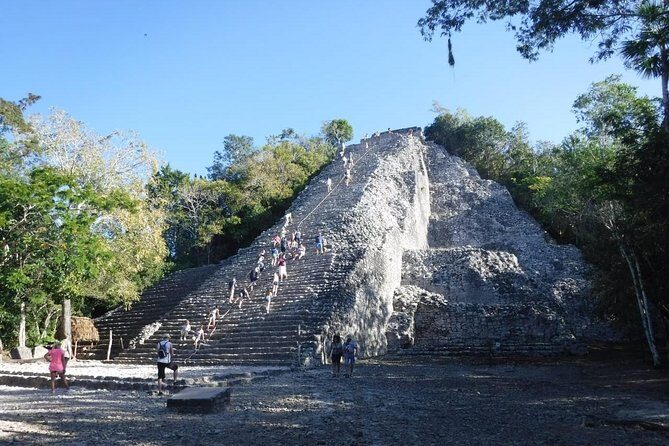
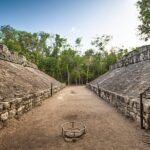
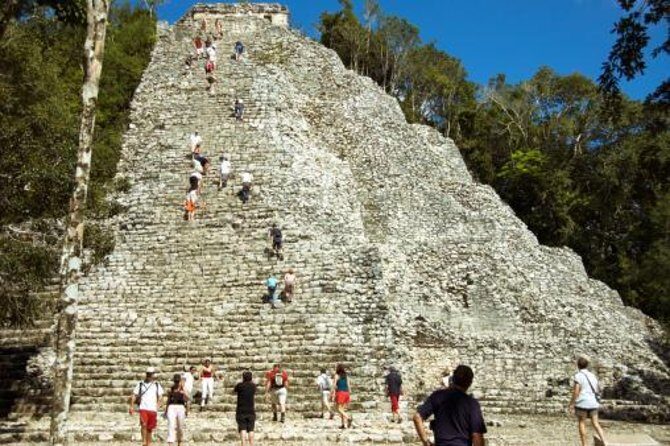
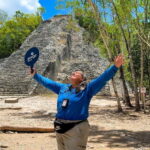
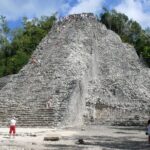
After the lagoon/village scan, you move into the Zona Arqueologica de Cobá area for birdwatching. This is the biggest “structured” stop on the tour at about two hours, and the archaeological admission is included.
Ruins can be good birding ground for a simple reason: they create a patchwork. You get edges, clear sight lines in some areas, and built-in perches and shade pockets. Birds also use the open spaces differently than they do deep forest, so the behavior you notice can shift during this segment.
This stop is also where the guide’s explanation tends to land hardest. People describe learning how the local ecology and the human story connect, not just a random history lecture. In other words, the tour helps you see the ruins as part of the same landscape your birds are using.
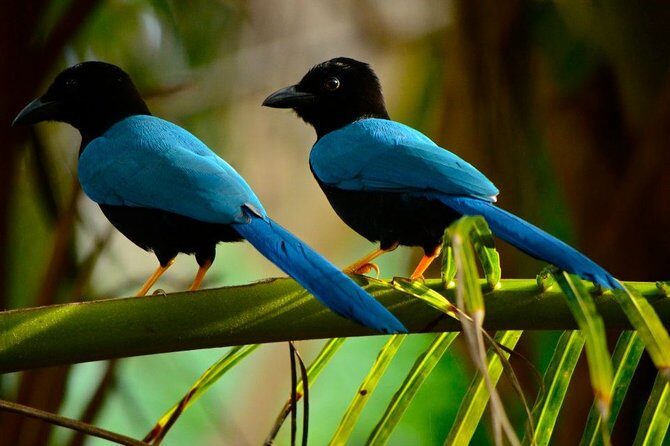
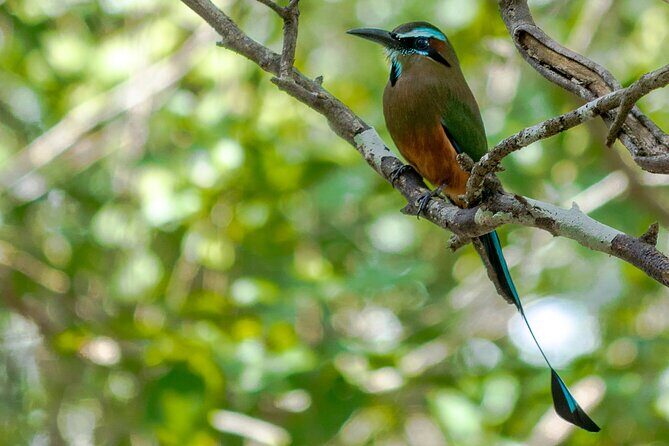
What should you look for here? Past experiences connected to this program include woodpeckers (like Yucatan Woodpecker and Lineated Woodpecker), jays (including Yucatan Jay), and raptors such as Roadside Hawk. You can also keep an eye out for fruit-loving birds reported in the region, like motmots and toucan-type sightings that show up when the fruiting rhythm lines up.
This is also a good segment for slow scanning. If you find a bird perched but unsure what it is, ask for the field marks. Guides in this program have been praised for explaining behavior and visible traits, and for helping with stationary sightings using scopes for close looks.
Other Coba Ruins tours we've reviewed
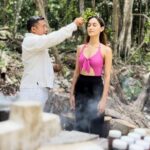
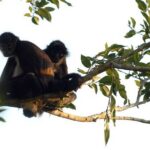
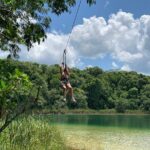
Cobá Meal Break: Mayan-Family Lunch and a Local Brunch Finish
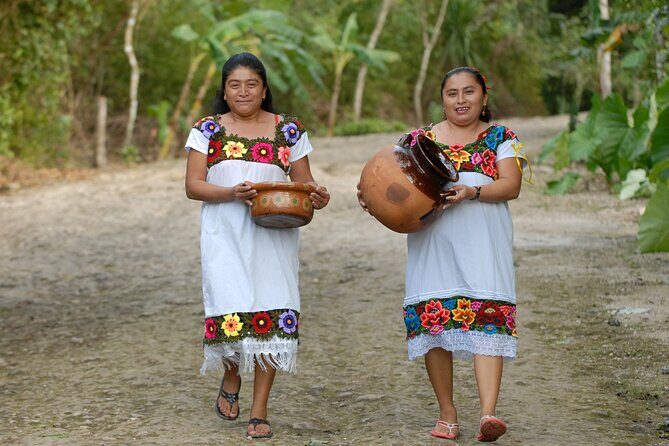
At some point in the middle of the day, you’ll stop for food, and the tour does this in a way that feels more real than a generic restaurant break. Lunch is included in the home of a local Mayan family, which adds a meaningful layer beyond “we ate something between bird stops.”
In addition, the day ends with a local Mexican brunch (about 45 minutes). So you’re not walking away hungry and you get enough food to keep your energy steady even after a long morning of standing, scanning, and walking.
I like meals that don’t interrupt the experience with a long commute. Here, lunch is part of the route and timing, not an afterthought. If you have dietary needs, check ahead, since the tour data only specifies that lunch is included and does not list specific dietary accommodations. If you’re sensitive to spicy food, it’s worth asking.
One more practical point: the tour provides bottled water, and they also emphasize waste reduction. If you bring a refill bottle, you’ll have an easier time keeping hydration steady without adding trash.
Guides You’ll Actually Want to Follow (Miguel, Claudio, Luciano)
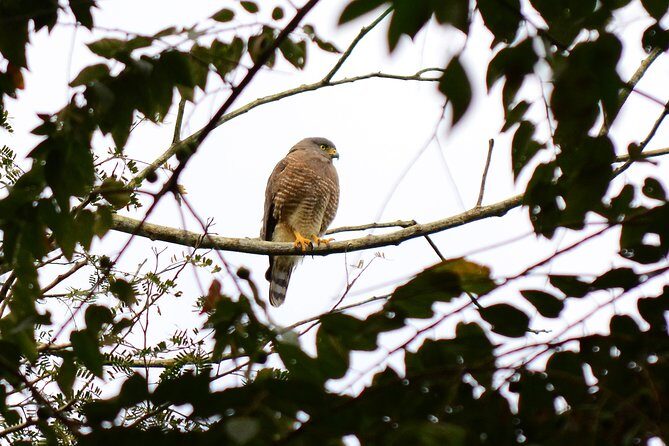
This is one of those tours where the guide can make or break your morning. The most consistently praised names connected to this experience are Miguel and Claudio, with other birding guide experience also attributed to Luciano.
What those guides have in common, based on the feedback tied to this tour, is a strong ability to connect the bird in front of you with a name and a reason. People highlight that the guides didn’t just point; they explained behavior and field marks. Miguel, in particular, is repeatedly mentioned for helping spot specific species and for using a scope to help with close-ups when birds stay in one place.
Claudio gets high marks for being accommodating to different birding levels. That matters if you’re not sure you’ll keep up. A great guide can slow down when you need it and speed up when you’re ready.
Practical tip: tell the guide your “must-see” list early, and ask how they want you to move during scanning. With small groups, good instructions make a huge difference in what everyone sees.
What You’re Paying for With the $149 Price Tag
The price is 149 USD per person, and it’s worth analyzing what you actually get.
Here’s what the tour includes, in plain terms:
- guided birding time across Cobá village/lagoon and the archaeological site
- coffee/tea and light breakfast elements (including fruit and an energy bar)
- bottled water (plus a refill bottle approach if you need one)
- tickets/fees covered, with archaeological admission included
- hotel transfers in an air-conditioned vehicle
- lunch at a local Mayan family home
- a small shared group size (max 10)
The biggest “value” isn’t only the birding. It’s the combination of guide time, included meals, and ticket handling, all in one day with a group small enough that you’re not lost in a crowd. If you were to do Cobá independently, you’d still need to solve transport, timing, entry costs, and finding someone who knows where birds show up.
Two things to watch for:
- Binoculars are not included, so either bring your own or ask if they can lend you a pair.
- Pickup can cost more depending on your exact hotel zone. If you’re north of Tulum or using certain hotel pickups, confirm the transfer fee so there are no surprises.
Getting the Best Bird Views: How to Act on This Tour
You can’t control which birds show up, but you can control how well you’re positioned to notice them. Since this tour is built around scanning and likely close-range views using scopes, your job is to make it easy for the group to see.
Do this:
- Keep your eyes up and listen when the guide calls out a sighting location.
- If you spot something, don’t guess in silence. Point it out and ask what you’re seeing.
- If you’re borrowing binoculars, get them adjusted early before the best action starts.
Also remember: a shared tour still has a rhythm. It’s not a solo trek where you can wander off. You’ll get more out of it if you accept the schedule and focus on following the guide’s search plan.
For context, people report days with huge totals, including around 41 species in a slower morning and about 50 species in stronger conditions. That kind of tally doesn’t happen from standing in one spot. It comes from moving efficiently between the right habitats.
Packing Notes That Matter Here
This tour is explicit about two items:
- Bring binoculars if you have them. If you do not, let them know so they can lend you a pair.
- If you have your own refill bottle, bring it. If not, the tour provides a way to reduce waste through their bottled water approach and a refill bottle option.
Beyond that, keep your morning simple. You’re leaving early, walking, and spending long moments staring at treetops and shore edges. The “best gear” here is the stuff that helps you see clearly when the bird finally decides to show itself.
Should You Book This Tour or Skip It?
Book it if:
- you want a small-group birding day with a guide who helps you identify what you see
- you care about more than ruins photo stops and want a schedule that matches bird behavior
- you like the idea of a Mayan-family lunch as part of the experience, not an add-on
- you can handle an early 6:00am start
Skip or reconsider if:
- you don’t want to wake up early or you hate early starts
- you want binoculars provided for you automatically (they are not included, though lending is possible)
- your hotel pickup zone is uncertain and you don’t want to deal with potential extra pickup fees
If you’re reading this because Cobá is on your Yucatán list, I think this tour is a strong way to spend your morning. You’ll trade some freedom for focus, and you’ll likely come away with names, stories, and a longer bird list than you expected.
FAQ
What time does the tour start in Tulum?
The tour starts at 6:00am.
Where is the meeting point in Tulum?
Meet at Tulum Tours – Mexico Kan Tours, Avenida Tulum S/N, between Orion and C. Centauro Sur, Tulum Centro, Centro, 77760 Tulum, Q.R., Mexico.
How big is the group for this shared tour?
The tour has a maximum of 10 travelers.
Is lunch included, and what type is it?
Lunch is included in the home of a local Mayan family. The day also includes a local Mexican brunch.
What food and drinks are included during the morning?
You get coffee and/or tea, plus fruit and an energy bar at the start of the Cobá birding portion. A light breakfast is also included, and bottled water is provided.
Do I need to bring binoculars?
Yes. Binoculars are not included, but you can let the provider know and they can lend you some.
Are archaeological admission fees included?
Yes. Admission tickets for the Zona Arqueologica de Cobá are included, and other stop admissions are listed as free.
How does pickup from my hotel work?
Hotel transfers in an air-conditioned vehicle are provided. The tour data notes extra pickup fees from Tulum hotels (+55 USD per person) and additional fees for areas north of Tulum (quote provided by zone).
Is the tour only in English?
The tour is offered in English.
What happens if the weather is bad?
This experience requires good weather. If it’s canceled due to poor weather, you’ll be offered a different date or a full refund.
What is the cancellation policy?
You can cancel for free up to 24 hours before the experience start time for a full refund. If you cancel less than 24 hours before, you do not get a refund.