REVIEW · TULUM
Mexican Cooking class experience in Tulum
Book on Viator →Operated by Delicia de mi tierra · Bookable on Viator
Tulum tastes better with your own hands. I like how this class is hands-on (you’re actually cooking), and I also like the built-in tequila/mezcal tasting that makes the whole night feel like a celebration. The one thing to keep in mind: you’ll eat what you make, and it’s not a light snack stop, so come ready to work and come ready to get full.
Guides make the difference here, and the vibe seems consistently warm and welcoming. Chef Barbara Padilla (Delicia de mi tierra) shows up in the story, and you may also cook alongside instructors like Valeria and Eduardo depending on the day—each praised for patience and clear step-by-step teaching. This is a private setup, so you won’t be shuffled with strangers mid-cooking.
In This Review
- Key Highlights Worth Marking On Your Map
- Why This Tulum Mexican Cooking Class Feels Like Real Skills
- Meeting Point and Timing: Plan for a Late-Morning to Early-Evening Meal
- Step 1: Fresh Salsa Work (Four Types, Real Ingredient Choices)
- Step 2: Ceviche and Aguachile with Local Seafood
- Step 3: Handmade Tortillas and Antojitos You Can Pair Like a Pro
- Step 4: Choose Your Main Course (This Is Where It Gets Personal)
- Step 5: Margarita Class and Tequila/Mezcal Tasting
- Eating Time: Sit Down With What You Cook (And Leave With More)
- Price and Value: Is $140.48 Worth It?
- Who Should Book This Cooking Class (And Who Might Skip)
- Weather and Small Print That Still Matters
- Should You Book This Tulum Cooking Class?
- FAQ
- How much does the Mexican Cooking Class in Tulum cost?
- How long is the experience?
- Where does the class meet in Tulum?
- Is it a private activity?
- What language is the class offered in?
- What dishes will I cook or make?
- Do they include any tastings or drinks?
- Does the class provide leftovers to take home?
- What’s the cancellation policy?
- Is the activity dependent on weather?
Key Highlights Worth Marking On Your Map
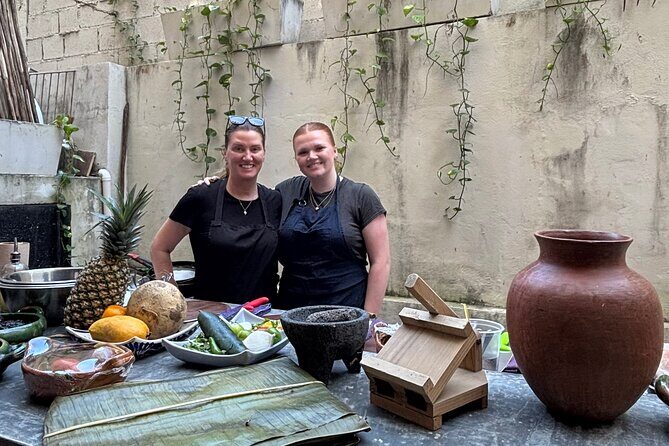
- Salsas from scratch using fresh ingredients, with multiple styles to compare
- Ceviche and aguachile practice with local seafood and classic flavor building
- Handmade tortillas plus antojitos like sopes and empanadas
- Pick your main course from options including mole, tamales, barbacoa, enchiladas, and more
- Margarita making plus tequila and mezcal tasting to round out the meal
- Take leftovers home, so you’re not done after the final bite
Why This Tulum Mexican Cooking Class Feels Like Real Skills
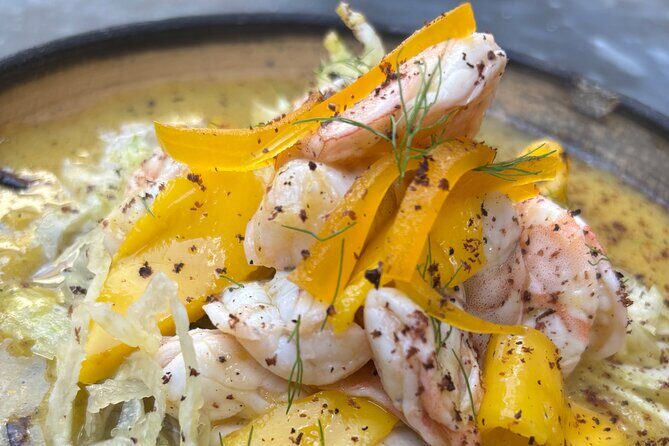
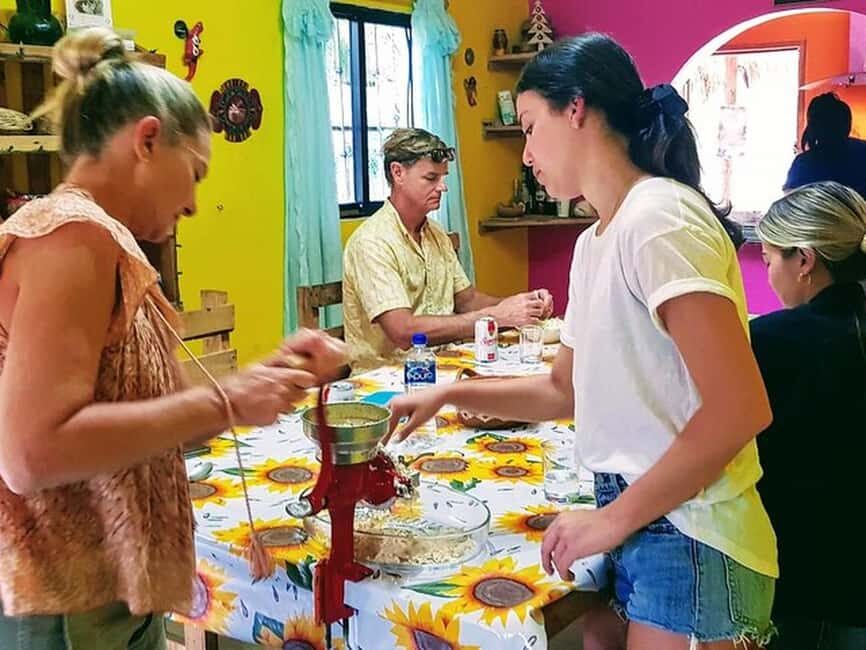
This is the kind of class that teaches more than recipes. The structure points you toward technique: how to build flavor in salsas, how to work with seafood for ceviche and aguachile, and how to handle tortilla dough and antojitos. If you’re the type who wants to understand Mexican cooking instead of just taking photos, you’ll feel your brain turning while your hands move.
I also like that the menu covers a spread of Mexican basics, not just one highlight dish. You’re not stuck on one thing for three hours. You’re making a full set of flavors—starter salsas, seafood starters, tortillas and fried or griddle antojitos, then a main you choose—so it feels like you learned a system.
Other Mexican food and cooking tours we've reviewed in Tulum

Meeting Point and Timing: Plan for a Late-Morning to Early-Evening Meal
The class starts at Palenque, La Veleta, 77760 Tulum, Q.R., Mexico, and it ends back there. Sessions run within the operator’s hours of 12:00 PM to 6:00 PM, so your day can stay flexible. The experience is listed at about 3 hours 30 minutes, with some days running close to that full block while you cook, taste, and eat.
A practical tip: treat it like a meal plan. Don’t book it as a casual “maybe we’ll eat after” activity. Most travelers who enjoy this format come hungry, then leave full, with leftovers in tow.
Step 1: Fresh Salsa Work (Four Types, Real Ingredient Choices)
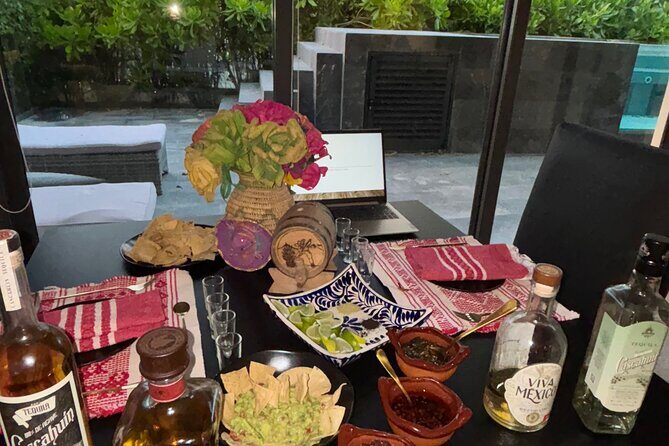
Your first hands-on push is making four different salsas. The focus is on scratch prep with fresh ingredients, not opening jars and calling it dinner. You’ll get to compare how different chiles, aromatics, acidity, and texture change the whole plate.
This matters because salsas are the backbone of the Mexican table. Once you understand what changes from one salsa to the next, tacos and antojitos start making sense at home. And if you’re picky—heat levels, tanginess, or whether you want a smoother or chunkier salsa—you’ll learn how to steer the flavor.
Also, the class doesn’t treat salsas like a single step. It builds toward pairing: you make salsas, then you’ll use them with things you cooked later (like tortillas-based antojitos).
Step 2: Ceviche and Aguachile with Local Seafood
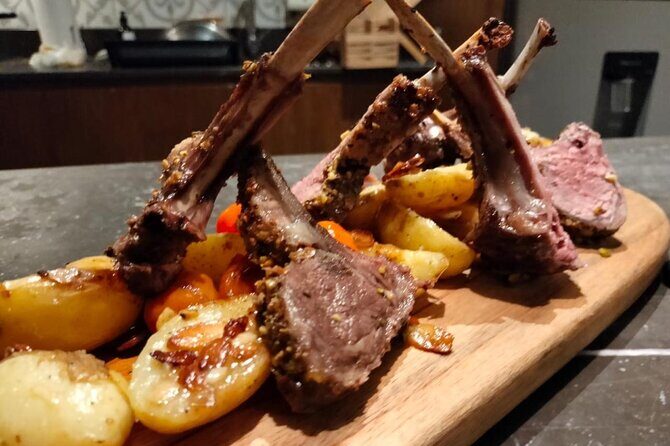
After the salsa section, you’ll move into seafood starters: ceviche and aguachile. Both are famous for bright flavors and careful balance, and the class approach helps you see what makes them different. You’ll be using local seafood to create fresh, citrus-forward plates.
If you’ve never cooked ceviche before, this is a good on-ramp. The big practical value is learning the “why” behind the flavors, not just copying a single recipe. You’ll also taste along the way, so it’s easier to notice what’s working.
One more detail that stands out from the experience descriptions: there’s often a fruity edge in the aguachile style (for example pineapple and mango showing up in some versions). That kind of pairing is useful at home because it gives you a flavor template beyond pure chile heat.
Step 3: Handmade Tortillas and Antojitos You Can Pair Like a Pro
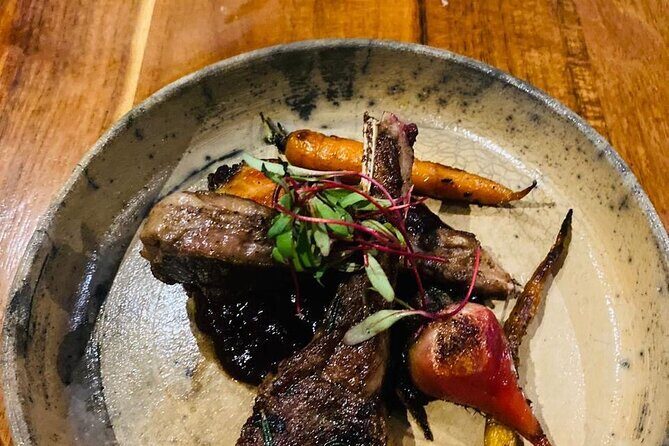
Next comes tortilla time: handmade tortillas plus traditional antojitos such as sopes and empanadas. Even if you’ve eaten these a hundred times, making them is a different experience. You learn how the dough behaves and how the final texture changes with handling.
Then you get the fun part: using your salsas with what you just made. This is where the class turns into something more memorable than a lecture. You’re tasting your own work as a system—tortilla base, salsa decision, then the crunch or chew of the antojito.
This section also rewards curiosity. If you love street-food style flavors, you’ll enjoy how quickly the class takes you from ingredients to recognizable Mexican comfort food.
Other cooking classes in Tulum
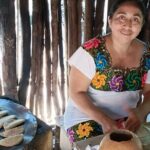


Step 4: Choose Your Main Course (This Is Where It Gets Personal)
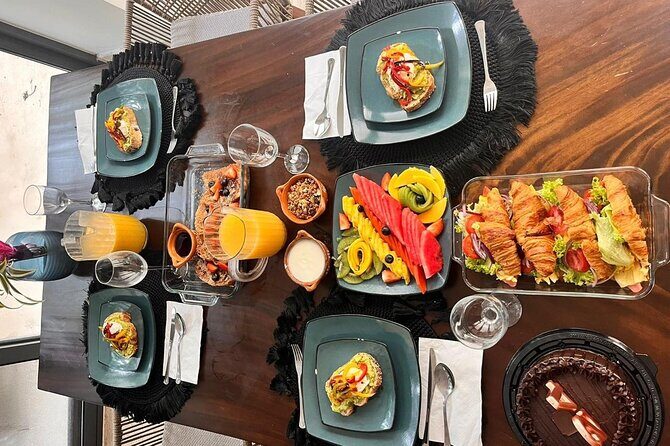
For the main course, you get to choose what you cook. Options listed include:
- enchiladas
- tamales
- mole
- chicken barbacoa
- zarandeado fish
- and more
Based on the cooking stories from the experience, mole is a standout for many people. One version highlighted a chicken mole with a sauce built from a long ingredient list (described as having 27 ingredients). Whether you pick mole or something else, the teaching style is the point: you’re not just dumping ingredients together, you’re learning the flow of the cooking process.
If you’re a couple or traveling with a friend, the choice can turn into a tiny matchup: one person picks what they’re craving, the other picks what they’re curious about. And since the whole class is private to your group, you don’t have strangers deciding for you.
Step 5: Margarita Class and Tequila/Mezcal Tasting
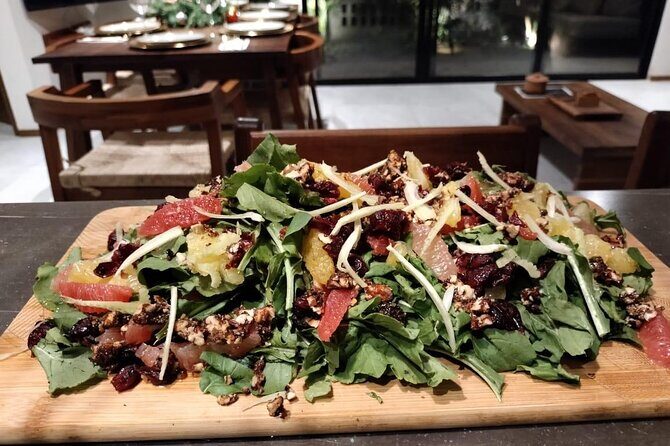
This class doesn’t end when the food hits the table. You’ll also do a margarita class, plus tequila and mezcal tasting. The drink time isn’t just “for fun” either. It supports the mood and gives you a bit of context for how these spirits fit into Mexican food culture.
From the descriptions, people really enjoy the pace here: you’re cooking, then you’re rewarded with instruction and tasting, and the whole group atmosphere loosens up. If you like learning while socializing, this is a nice balance.
Eating Time: Sit Down With What You Cook (And Leave With More)
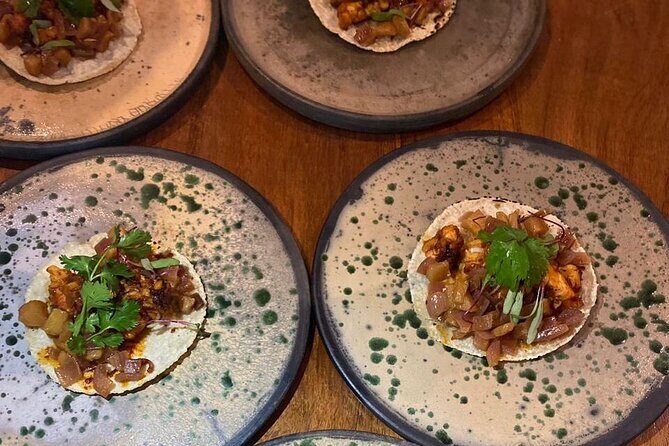
By the end, you sit down to enjoy what you made. Multiple accounts emphasize how abundant the meal feels—so come with an appetite and don’t plan to snack beforehand.
A big value point: you generally get leftovers to take home. That matters in Tulum, where food costs add up fast. If you go home with extra food, you’re getting a second meal without paying for it twice.
Price and Value: Is $140.48 Worth It?
At $140.48 per person, this isn’t the cheapest “activity plus snacks” option in Tulum. But it’s not priced like a show-only demo either. You’re paying for several things at once:
- hands-on cooking across multiple dishes (salsas, seafood starters, tortillas/antojitos, a chosen main)
- instruction from chefs and cooks (names that show up include Barbara Padilla, Valeria, and Eduardo)
- tastings and a margarita-making session
- a private group format, so the class tempo matches your group
When classes are priced well, they do two jobs: they teach you something you can repeat later, and they make the experience feel generous. This one seems to do both, especially with the leftover take-home element and the fact that you cook enough for a real meal, not just a few bites.
If you’re comparing, think of it as a dinner you help cook, plus training, plus drinks. For many people, that’s the better deal than one expensive restaurant meal alone.
Who Should Book This Cooking Class (And Who Might Skip)
You’ll love this if:
- you want a food activity that’s hands-on, not just watching
- you like Mexican flavors beyond one dish
- you want to leave with usable skills (salsa logic, tortilla basics, and pairing ideas)
- you’re traveling in a small group and want privacy
You might consider skipping if:
- you don’t eat seafood or you’re very restricted with ingredients (the menu includes ceviche and aguachile)
- you want something light and quick (this runs about 3.5 hours and ends with a full meal)
- you’re sensitive to chile flavors and don’t want to experiment (salsas are a central part of the class)
Good news for many visitors: most travelers can participate, and service animals are allowed.
Weather and Small Print That Still Matters
This experience requires good weather. If conditions are poor, you’ll be offered a different date or a full refund. Also, there’s a minimum traveler requirement, so if that minimum isn’t met, the provider will offer an alternative date/experience or a full refund.
So yes, plan it earlier in your trip if you can. That gives you room to move dates if weather forces a change.
Should You Book This Tulum Cooking Class?
If you want an authentic Tulum experience that isn’t a tourist-only performance, I’d book it. The strongest pull is the teaching style: clear instruction, real hands-on cooking across a wide menu, and a fun social element with margaritas plus tequila and mezcal tasting.
If your schedule is tight or you hate being in the kitchen for an extended period, you might prefer a shorter food tour. But for anyone who loves to cook, eat well, and take a piece of Mexico home with them, this is a smart choice.
FAQ
How much does the Mexican Cooking Class in Tulum cost?
It costs $140.48 per person.
How long is the experience?
It’s about 3 hours 30 minutes (approx.).
Where does the class meet in Tulum?
The meeting point is Palenque, La Veleta, 77760 Tulum, Q.R., Mexico.
Is it a private activity?
Yes. It’s a private tour/activity, and only your group participates.
What language is the class offered in?
It’s offered in English.
What dishes will I cook or make?
You’ll make salsas from scratch, ceviche and aguachile, handmade tortillas and antojitos such as sopes and empanadas, and you’ll choose a main course like enchiladas, tamales, mole, chicken barbacoa, zarandeado fish, and more.
Do they include any tastings or drinks?
Yes. There’s a margarita class and tequila and mezcal tasting.
Does the class provide leftovers to take home?
The experience descriptions indicate that you can take leftovers home.
What’s the cancellation policy?
Free cancellation is available up to 24 hours in advance for a full refund.
Is the activity dependent on weather?
Yes. It requires good weather. If it’s canceled due to poor weather, you’ll be offered a different date or a full refund.

More Cooking Classes in Tulum
More Tour Reviews in Tulum
- Selva Maya Eco Adventure Park: Ziplining, Hanging Bridges, Rappelling and Cenote
★ 5.0 · 1,057 reviews