REVIEW · TULUM
Mexican Specialty Coffee and Fine Chocolate Tasting
Book on Viator →Bookable on Viator
Coffee and chocolate, taught like a craft. This Tulum tasting at ZONA NOVEC turns drinks into a simple flavor lesson with four specialty coffees and fine cacao pairings you can actually understand. I love the guided, process-by-process comparison (washed, honey, natural) because it makes the differences click fast. I also love the finish with an award-level Natural Geisha from Finca Las Nieves. One possible drawback: if you want a loud, party-style activity, this is more relaxed and sensory than energetic.
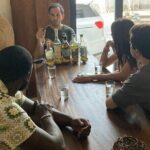
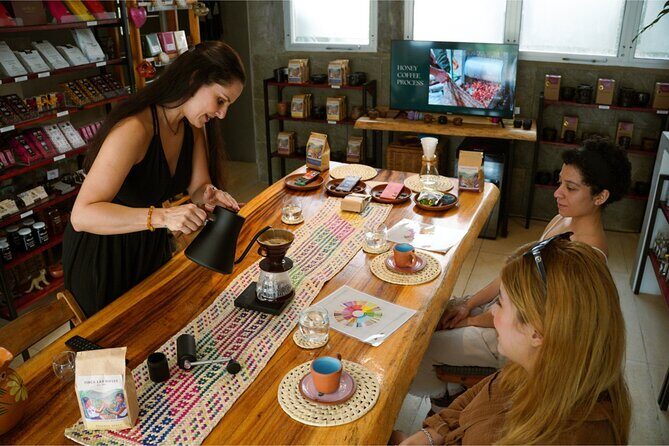
It’s an intimate session for up to 8 people, run in English, and led by Samira, who comes across as both friendly and careful with the experience. You’re not rushing from stop to stop. You’re staying in one welcoming space and training your senses like your nose and tongue are part of the lesson plan. You’ll leave with a clearer idea of why coffee tastes different, even when the coffee itself starts from the same variety.
Plan for about 1 hour 30 minutes. You’ll taste multiple coffees and multiple chocolates, so treat it like a planned food moment, not a quick caffeine grab. And since it ends back at the meeting point, you can line it up neatly with the rest of your day in Tulum.
In This Review
- Key highlights to look for in this tasting
- Arriving at ZONA Novec: a calm start in La Veleta
- The core idea: how processing changes the same coffee
- Cup one: washed coffee and the logic of clarity
- Cup two: honey process coffee and smooth sweetness
- Cup three: natural process coffee and fruit-forward aromas
- The finale: Natural Geisha from Finca Las Nieves
- Chocolate pairings: how cacao turns tasting into a real conversation
- What Samira likely helps you do with your senses
- English-only setup and the group-size advantage
- Price and value: does $77.44 make sense in Tulum?
- Who this tasting is perfect for (and who should skip it)
- Should you book this Mexican coffee and fine chocolate tasting?
- FAQ
- How long is the Mexican specialty coffee and fine chocolate tasting in Tulum?
- What is included in the tasting?
- Is the tour offered in English?
- How many people are in the group?
- Where do I meet for the tour?
- Are service animals allowed?
- What is the cancellation policy?
Key highlights to look for in this tasting
- Four coffees with clear processing styles: washed, honey, natural, and a Natural Geisha
- Award-quality coffee farm pedigree: Finca Las Nieves recognized by The Cup of Excellence in 2023 and 2024
- Fine Mexican chocolate pairings that match aromas and flavor intensity
- Small group vibe (max 8) so you can actually ask questions
- English-led sensory coaching to help you taste by aroma, not just by first impression
Arriving at ZONA Novec: a calm start in La Veleta
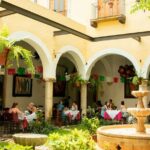
The experience starts in La Veleta at ZONA NOVEC (between Calle 6 Sur and Calle 4 Sur). That’s a useful detail because it’s not off-the-map deep into the jungle. You’re in a part of Tulum that’s easier to reach when you’re building a day itinerary.
The setting matters here. This is designed to be intimate and welcoming, not crowded. With a small group size, you get a more personal back-and-forth with the guide, and the pace stays comfortable. You’re there to slow down and notice what’s happening in your cup.
You’ll likely do well if you’re the type of traveler who enjoys structure without feeling like school. This tasting has a flow. It’s just not stiff. Think: you’re learning the why behind what you taste, step by step.
Also, it’s a mobile-ticket setup and the tour is offered in English. If you’re traveling solo or with a small group, that keeps it simple.
Other mezcal, tequila and tasting tours we've reviewed in Tulum
The core idea: how processing changes the same coffee
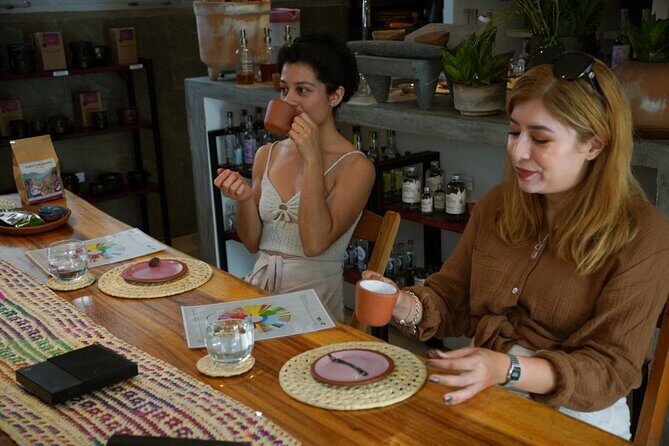
The heart of this tour is understanding that coffee isn’t just coffee. Processing can make the same base variety taste like a completely different personality.
Here’s what you’ll walk through:
- Washed: described as clean and bright, with clarity and subtle complexity
- Honey: a sweeter, rounder profile with a smooth mouthfeel
- Natural: bold and fruity, with expressive aromas
- Natural Geisha (from Finca Las Nieves): the grand finale, chosen specifically for complexity and aroma
The practical value is that after this, you’ll be less likely to say generic things like tastes good or tastes bitter. You’ll start talking in terms of clarity, sweetness, fruit character, and aromatic intensity. That’s the difference between guesswork and real tasting.
And because you move through the processes in a guided sequence, you don’t have to hold everything in your head. You can compare one step to the next and feel the transformation happen.
Cup one: washed coffee and the logic of clarity
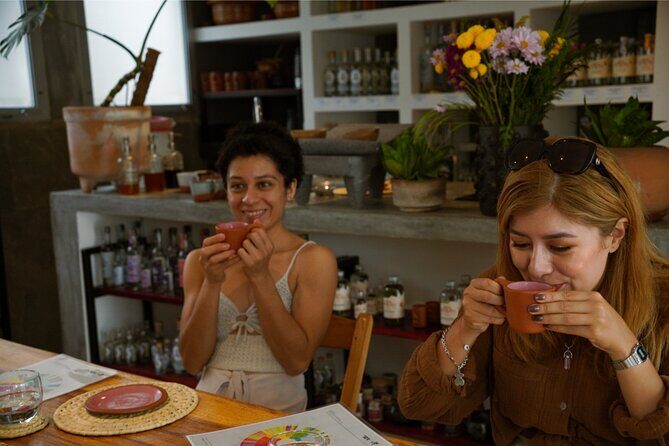
You begin with a Washed Process Specialty Coffee paired with a fine chocolate. The washed cup is described as clean, bright, and full of clarity with subtle complexity. That’s a big deal for first-time specialty coffee drinkers, because washed coffees are often the easiest gateway into “flavor tasting” without feeling overwhelmed.
Then the chocolate pairing adds the missing piece: how cacao can highlight or clarify coffee notes instead of masking them. The washed coffee’s clean profile gives your palate a kind of baseline. The chocolate doesn’t have to be louder than the coffee. It’s there to make the delicate notes easier to notice.
If you’re wondering what to do during the tasting, start with slow smelling. Your first instinct will be to sip quickly. Don’t. Smelling first helps you catch the aromatics the guide is pointing you toward. Even if you’re not a coffee expert, you’ll get more out of it this way.
Cup two: honey process coffee and smooth sweetness
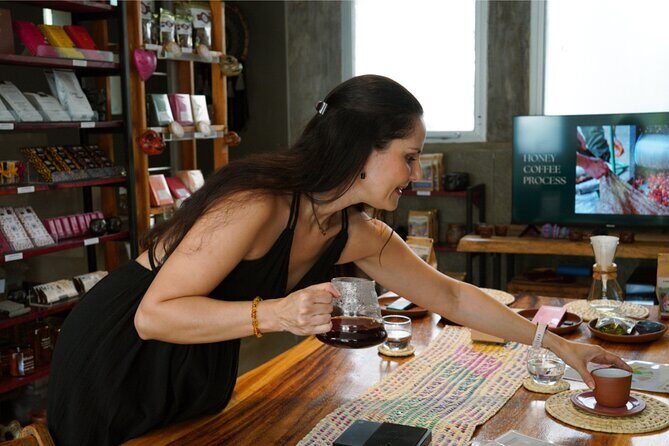
Next comes the Honey Process Specialty Coffee, paired again with a fine chocolate. This stage is about texture and balance. The honey cup is described as sweeter and rounder, with a smooth mouthfeel, and the pairing is chosen to enhance what makes it special.
Why honey processing matters (in plain terms): it tends to land in a comfortable middle. You still get specialty coffee character, but the sweetness feels more rounded than the bright clarity of washed. That makes it a favorite stop for people who like dessert-adjacent flavor but don’t want things to taste like sugar water.
Practical tip: when you taste the honey cup, pay attention to how the finish feels. Rounded coffees often leave a lingering softness. If you only chase the first sip, you might miss the key difference that shows up after.
Cup three: natural process coffee and fruit-forward aromas
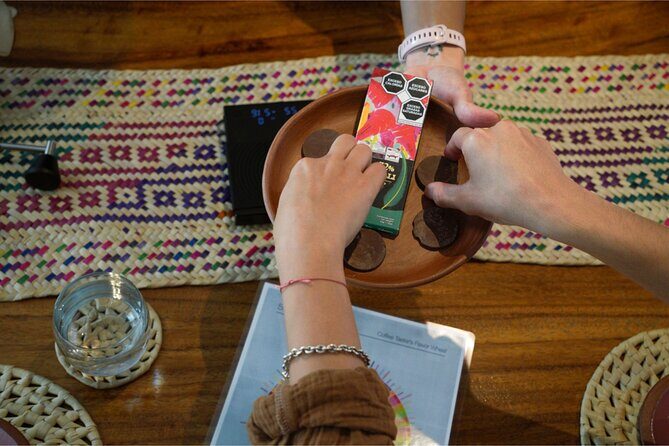
Then you move into Natural Process Specialty Coffee, paired with a chocolate that complements its intensity and character. The natural cup is described as bold and fruity, with expressive aromas.
This is usually where coffee tasting starts feeling fun, because your senses get permission to go louder. Natural coffees often bring fruit tones and aromatic intensity that can feel more dramatic than washed. The chocolate pairing is important because a fruity coffee can sometimes feel sharp or overwhelming if your palate has nothing to “ground” it.
If you’re sensitive to strong flavors, you don’t need to force it. Take smaller sips and use the chocolate as a palate reset. The guide’s approach makes that easy because the tasting is structured around pairings, not random sampling.
Other food & drink experiences in Tulum

The finale: Natural Geisha from Finca Las Nieves
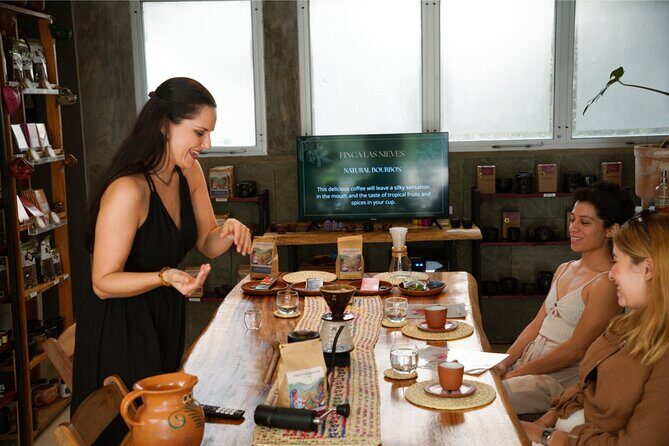
The last cup is the Award-winning Geisha Coffee, specifically described as a stunning Natural Geisha from Finca Las Nieves, a farm recognized at The Cup of Excellence in 2023 and 2024.
This part matters for two reasons.
First, a Geisha is already known for high aromatic interest. The tour description highlights complex and aromatic qualities. In other words, you’re not just tasting for flavor. You’re tasting for fragrance and layers.
Second, Cup of Excellence recognition is a quality signal. It doesn’t guarantee you’ll like every sip, but it does suggest the coffee has been evaluated and scored at a very high level. When you pair that with a Natural processing method, you can expect more than just “nice coffee.” You’re looking at a brew with an actual story behind it.
If you’re the type of person who always wonders what makes famous coffees famous, this is the answer in cup form. You’ll get the “why” tied to processing, farming quality, and careful presentation.
Chocolate pairings: how cacao turns tasting into a real conversation
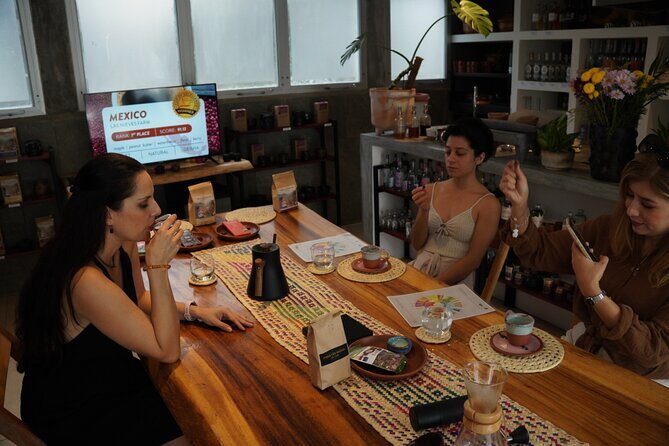
This tour isn’t just coffee. It’s coffee plus fine Mexican chocolate, and that combo is the point.
The tasting description calls out cacao heritage and highlights chocolates with silky textures, bright notes, and naturally complex flavors. That tells me the chocolate is meant to do more than act like a sweet side dish. It’s built to bring out parts of the coffee that you might miss on your own.
Here’s what I find useful as a traveler: you can leave this tasting with a mental map of flavor pairing. You’ll start recognizing patterns like:
- cleaner coffees often get along with chocolates that keep things crisp and bright
- sweeter, rounder coffees match well with chocolates that reinforce mouthfeel
- natural, fruit-forward coffees need pairings that can handle intensity without clashing
So even after the last sip, you’ll have a method. That makes the experience feel practical, not just educational.
One more bonus from what I’ve seen in real feedback about this kind of session: there’s often a chance to buy products after the tasting. In this case, people noted availability of coffee beans and chocolates, and even other Mexican items like mezcal. If that’s your style, it’s a nice way to extend the experience without hunting around afterward.
What Samira likely helps you do with your senses
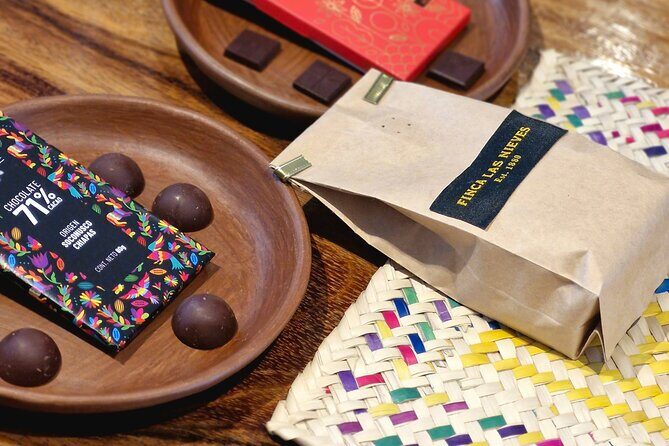
Samira leads with a tone that feels personal and engaging. In feedback, guests talked about learning how specialty coffee tasting works and how production influences flavor. That means you’re not just tasting; you’re building a language.
If you want to get the most out of it, here’s how to participate well in a tasting like this:
- Smell before you sip and try to name what you notice (fruit, nuts, florals, caramel-like notes, etc.)
- Compare cups in order: washed first, then honey, then natural
- Use the chocolate pairings as checkpoints, not just dessert
- Ask questions. The best part of small-group tastings is you can get answers tailored to your curiosity
A good educator makes the process feel friendly. Samira’s guidance is described as passionate and energetic, and that matters. When you feel comfortable, you taste more carefully, and the whole thing stops being intimidating.
English-only setup and the group-size advantage
Offered in English, with a maximum of 8 travelers, this experience is built for conversation. That’s a simple advantage in Tulum, where many food tours can feel like you’re watching someone else have fun.
The small group also changes the pace. You don’t get rushed into finishing samples. You have time for the guide to explain what you’re noticing. If you’ve ever felt lost on a tour with a lecture voice, this setup is the opposite.
You’ll also get a mobile ticket confirmation, and you’ll know where you’re starting: ZONA NOVEC. That reduces friction, which is underrated when it’s hot outside and you’re trying to enjoy the day instead of solving logistics.
Price and value: does $77.44 make sense in Tulum?
At $77.44 per person for about 1 hour 30 minutes, this is not a budget snack stop. But it also isn’t overpriced in the way some “experience” activities can be.
Here’s why it can feel like good value:
- You’re tasting four specialty coffees, not one or two
- Each cup is paired with fine Mexican chocolate
- The coffee selection includes a Natural Geisha from a farm recognized by The Cup of Excellence
- The group is small (max 8), and you get guided explanation in English
When you translate that into real-world terms, it’s like paying for a tasting class plus high-quality food samples. If you like food tours, coffee shops, or chocolate tastings, this fits nicely. If you only want a quick caffeine hit, you might find it too slow for your style.
My advice: treat it as one of your planned “anchor” experiences. Pair it with a casual meal afterward, not a heavy schedule that makes you feel rushed.
Who this tasting is perfect for (and who should skip it)
This is a smart choice if you’re:
- a coffee lover who wants to understand why flavors differ
- a foodie who likes comparing small differences in taste and aroma
- a chocolate fan curious about Mexican cacao heritage
- someone who enjoys learning through tasting, in a relaxed setting
You’ll probably enjoy it even if you’re new to specialty coffee, because the tasting is built around process comparisons (washed vs honey vs natural). That gives beginners a clear path.
It might not be the best fit if you want:
- a high-energy party atmosphere
- a long walking tour (this is mostly a sit-and-taste format)
Also, since the experience is sensory and calm, it works best when you show up mentally ready to pay attention. If you’re exhausted or distracted, you might not taste the full value.
Should you book this Mexican coffee and fine chocolate tasting?
Book it if you want a small-group, English-led tasting that teaches you something real without feeling like a class. The biggest reason to say yes is the structure: four processing styles plus a high-end Natural Geisha finish, all paired with fine chocolate designed to highlight specific traits. That combo is hard to recreate on your own, especially when you’re in Tulum and want a simple, reliable plan.
Skip it if your idea of fun is fast and loud, or if you’re only looking for a single sweet drink moment. This is a tasting with patience built in.
If you’re curious, this one is worth planning around. Your senses do the work, and by the end, you’ll have a better sense for what coffee processing actually changes in the cup.
FAQ
How long is the Mexican specialty coffee and fine chocolate tasting in Tulum?
The experience lasts about 1 hour 30 minutes.
What is included in the tasting?
You’ll taste four specialty coffees, including Washed, Honey, Natural, and a Natural Geisha, and you’ll have fine Mexican chocolate pairings with the coffees.
Is the tour offered in English?
Yes, it is offered in English.
How many people are in the group?
The experience has a maximum of 8 travelers.
Where do I meet for the tour?
The meeting point is ZONA NOVEC, 9 Sur entre CALLE 6 SUR Y 4 SUR, La Veleta, 77760 Tulum, Q.R., Mexico. The activity ends back at the meeting point.
Are service animals allowed?
Yes, service animals are allowed.
What is the cancellation policy?
You can cancel for a full refund up to 24 hours before the experience’s start time. If you cancel within 24 hours of the start time, the amount paid will not be refunded.


More Food & Drink Experiences in Tulum

More Tour Reviews in Tulum
- Selva Maya Eco Adventure Park: Ziplining, Hanging Bridges, Rappelling and Cenote
★ 5.0 · 1,057 reviews