REVIEW · TULUM
Private Kitesurfing Lessons in Tulum with a Private Beach Access 3hrs
Book on Viator →Operated by Siankite · Bookable on Viator
A calm beach class turns into real progress fast. In Tulum, this private kite lesson focuses on fundamentals, control, and getting you on the water.
I like the private-instructor setup, so you can move at your group’s pace instead of getting dragged along. I also like the three-session progression, which goes from wind awareness to starts, then to actual riding, with the goal that absolute beginners can be up on the board by day’s end. One thing to keep in mind: this experience needs good weather, so wind and conditions matter.
In This Review
- Key Points You’ll Care About
- Where the Lesson Starts: Posada Lamar and Beach-Level Convenience
- The 3 Sessions Plan: From Kite Control to Real Upwind Riding
- Session 1: Wind Windows, Power Zones, and Safety You Can Use
- Session 2: Power Drag, Controlled Starts, and Upwind vs. Downwind
- Session 3: Riding, Transitions, and the Possibility of Jumping
- Gear Included (and Why That’s a Value in Tulum)
- Weather, Water Condition Reality, and How to Read the Day
- The Community Feel: Helpful Instructors and Kite-Friends Energy
- Timing and Logistics: When to Go and What the Clock Means
- Price and Value: What You’re Really Paying For
- Who This Kitesurf Lesson Fits Best in Tulum
- Quick FAQ
- FAQ
- How long is the private kitesurfing lesson?
- Is the lesson private or shared with other people?
- What language is the lesson offered in?
- Do I need to bring kitesurfing gear?
- What happens if the weather isn’t good enough to kite?
- Where does the lesson meet and start?
- Should You Book This Private Kitesurfing Lesson in Tulum?
Key Points You’ll Care About
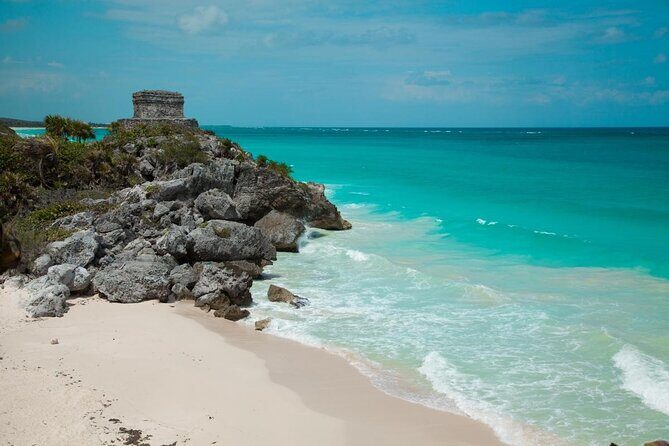
- Private beach access and full attention: you’re on the instructor’s plan the entire time, not sharing coaching.
- A clear 3-step lesson path: wind windows → power and starts → riding and transitions (and maybe jumping).
- Safety systems are taught early: you’ll learn how kite power works across zones and how self-rescues fit in.
- Water-launch practice, not just theory: you’ll do drills for launches and starts in both the early and middle sessions.
- Gear is included: you get the necessary equipment, described as international-brand gear.
- Local community energy: the school atmosphere gets called out as helpful and welcoming.
Where the Lesson Starts: Posada Lamar and Beach-Level Convenience
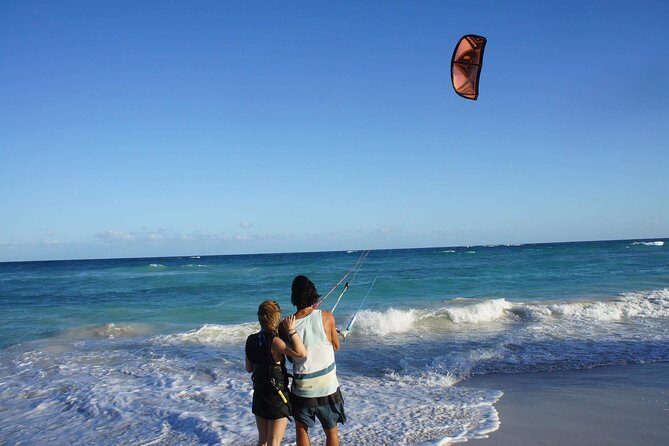
In Tulum, getting to a kitesurf spot usually means a bit of logistics. Here, the lesson is set up so you start close to the action. The operator runs the school area inside Posada Lamar, and it’s described as steps from well-known beach hangouts in the Playa Selva zone. The meeting point details are also very specific, with a GPS-style pin for the area, so you can confirm you’re in the right place before you show up.
Practically, this matters because kite lessons go fast once you’re on the beach. You lose less time walking, managing bags, or asking where to stand while the kite waits for wind. And because it’s a private session, you’re not timing your learning around other groups’ schedules. You’re there to work, then finish, then (if conditions allow) enjoy the beach afterward.
If you’re planning your day around it, treat it like a real activity block, not a casual “drop by.” The session runs for about 3 hours, and the instructor is keeping the whole progression moving.
Other wellness, yoga and beach experiences we've reviewed in Tulum



The 3 Sessions Plan: From Kite Control to Real Upwind Riding
This is the part that makes the lesson feel like more than a try-it-once moment. The plan is split into three sessions, and each one feeds the next. The big idea: first you understand how the kite behaves, then you learn how to translate that control into safe water starts, then you ride.
Session 1: Wind Windows, Power Zones, and Safety You Can Use
Your first session is all about building the right mental model for kitesurfing. You’ll work through:
- Wind windows and flight plan: where the kite should be positioned and how you think about that “window” of wind.
- Wind awareness: how to read wind so you’re not guessing.
- Kite control, including neutral vs. power zones: you learn how the kite’s power changes depending on where it sits.
- Safety systems: how the setup is meant to keep you safer if things go sideways.
- Water launches and self-rescues: you’re not just learning what to do on land.
This first session is the difference between random struggles and real progress. When you understand neutral vs. power zones, you stop fighting the kite. You start working with it. That’s when beginners start to feel that moment of control—like the kite is no longer a wild animal that decides your fate.
Also, this is where a private coach helps the most. If your group is brand new, the instructor can slow down and repeat the pieces that you personally need, instead of trying to cover everything at one speed.
Session 2: Power Drag, Controlled Starts, and Upwind vs. Downwind
The middle portion is where you start turning control into movement. You’ll do drills that build toward riding mechanics:
- Power drag drills: a way to learn pulling power without fully committing to a full ride.
- Controlled water starts: you learn how to get moving with intention.
- Transitions: how to move from one part of the technique to the next.
- Upwind vs. downwind tactics and mechanics: this is a big deal because kitesurfing is not one-direction simple.
- Water-launch and start drills: repeat, refine, get safer with each attempt.
What I like here is that they don’t rush straight to riding without giving you “handles” for what the kite should do while you’re moving. Upwind technique can feel confusing at first—how to angle, how to stay balanced, and how power affects your direction. Getting it explained alongside hands-on practice makes the later riding section much easier to understand.
Session 3: Riding, Transitions, and the Possibility of Jumping
The third session is mainly riding. This is where the structure pays off: by now, you’ve already learned the basics of kite control, safety, and starts. So you can spend your time on actual performance.
You’ll work on:
- Upwind mechanics: staying efficient and controlled as you ride against the wind.
- Transitions: moving between riding patterns and angles without losing stability.
- Safety procedures: so you keep good habits while riding.
- Potential jumping: if conditions and your progress line up, jumping is on the table.
It’s worth tempering expectations slightly: jumping is described as a possibility, not a promise. But even if you’re not jumping, this is still the session where you feel what kitesurfing really is—your body, the kite, and the wind all working together instead of you wrestling the setup.
And because the lesson is private, the coach can aim the session toward what your group needs most: more balance drills, more clean upwind practice, or extra help with transitions.
Other surfing and watersports we've reviewed in Tulum

Gear Included (and Why That’s a Value in Tulum)
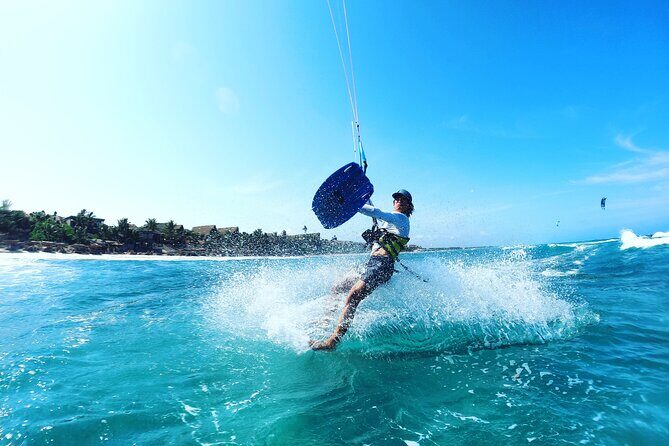
Kitesurfing gear can be expensive and annoying to source. Here, the lesson includes the necessary equipment, described as international brand names. That’s not just a convenience. It affects your learning outcome.
When gear is included:
- you don’t spend time hunting for sizes or setups,
- you don’t show up underprepared,
- and you can trust that the instructor is working with equipment they know how to teach on.
You’re also less likely to waste the best part of your day—your limited time on the water—on technical troubleshooting. Kite lessons depend on rhythm and momentum, and this setup helps keep things moving.
One more point: the operator highlights that it’s their time on your site and full focus on personal progression. That matters because in kitesurfing, details in kite handling and safety cues are what separate progress from “I tried hard and I’m still stuck.”
Weather, Water Condition Reality, and How to Read the Day
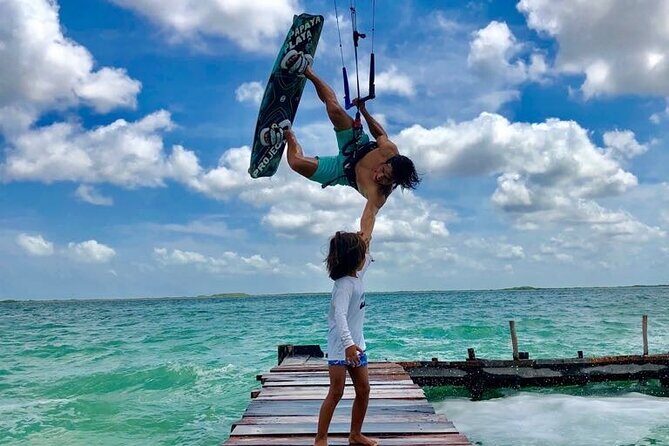
This is a beach-based sport. The experience explicitly requires good weather, and if poor conditions cancel it, you’ll be offered another date or a full refund. That’s the right approach because kite time without stable wind isn’t really “training,” it’s more like disappointment.
So what should you do as a practical traveler?
- Go in flexible. If you’re visiting Tulum around peak activity days, plan your lesson with at least a little buffer on your schedule.
- Arrive ready for changing conditions. The lesson is structured and coached, but the sea and wind will still affect how fast you progress.
- Expect learning on the water to involve falls and resets. That’s normal. The lesson plan includes safety systems and self-rescues for a reason.
One review notes that the beach area could be messy and surf-table conditions were challenging at times. I take that as a reminder that the physical spot matters. Even with a good instructor and gear, beach conditions can change the learning vibe. If you’re picky about water conditions, keep your expectations realistic and let the coach guide you to the safest, most learnable setup for that day.
Also, this whole experience is on a specific Tulum beach zone, with a setup described near Playa Selva and close to famous beach spots. That’s great for convenience, but it means you’re dealing with the realities of a popular shoreline.
The Community Feel: Helpful Instructors and Kite-Friends Energy
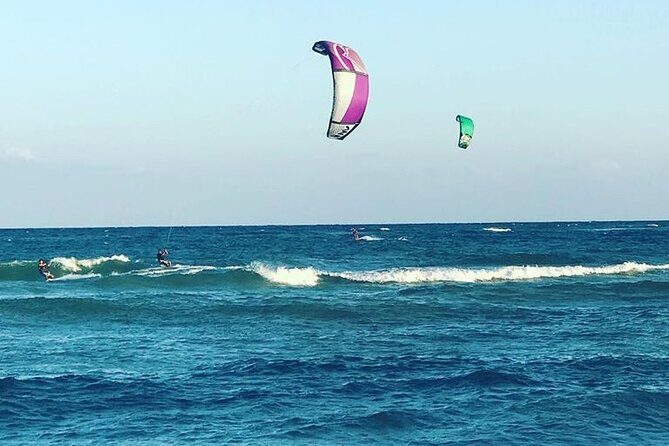
Private lessons can sometimes feel clinical—coach, lesson, then you leave. Here, multiple comments highlight a more welcoming setup.
One review calls out Sian and his kite friends as truly helpful, with an “everyone looks out for each other” vibe. Another thanks Sean for an amazing session. Even if those names refer to different people, the theme is consistent: you’re not thrown into a hard sport alone.
That matters because kiteboarding can be intimidating at first. Feeling safe and supported changes how quickly you relax enough to learn. If you’re an absolute beginner, this kind of atmosphere often does more than any diagram.
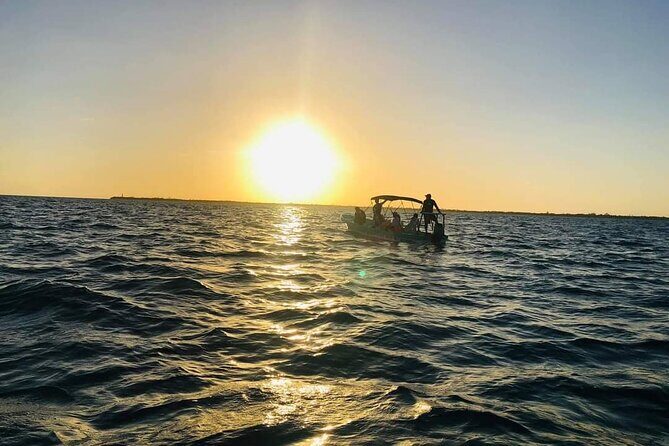
You’ll also get end-of-day guidance: after the 3 hours, there’s time to enjoy the sunset on the beach, plus tips for local foods and hangouts around Tulum. That’s a nice practical touch if you want the beach day to keep paying off after the last attempt on the water.
Timing and Logistics: When to Go and What the Clock Means
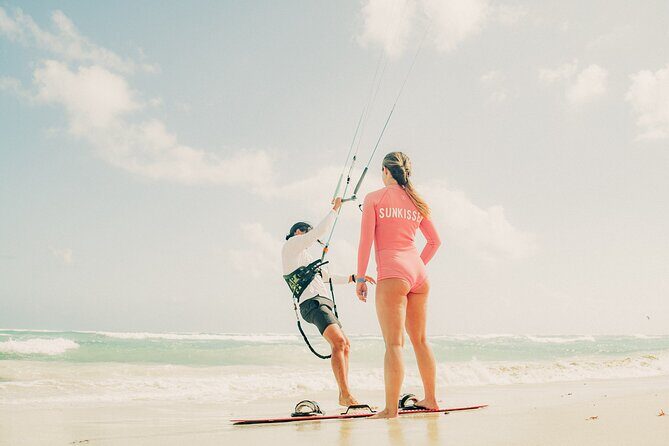
The lessons are offered with opening hours of 8:00 AM to 7:00 PM, Monday through Sunday. The activity ends back at the meeting point, so you don’t need to plan onward transport right after the session finishes.
Because the course is about 3 hours, you should treat it like a half-day plan even if it doesn’t look long on paper. Kite lessons often run with the wind and safety needs of the day. The instructor stays on your schedule, but weather still influences pacing. Build your day with room to breathe—snacks, water, and a simple plan for after.
Also, it’s described as near public transportation. That’s helpful if you’re not renting a car in Tulum.
Price and Value: What You’re Really Paying For
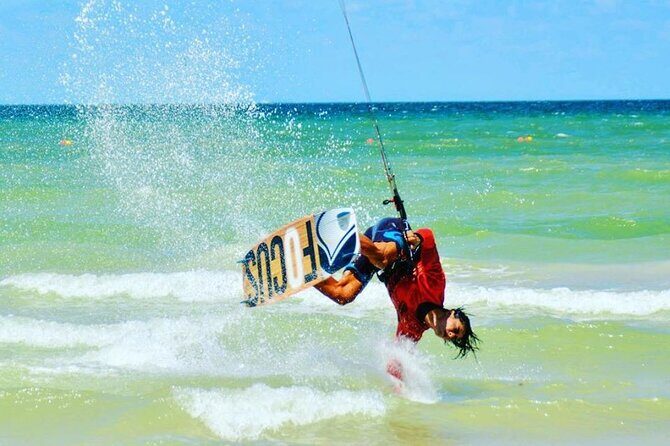
There’s no price listed here, so I can’t do a hard comparison. But I can tell you what drives value in this type of lesson—and what this one includes that typically matters most.
You’re paying for:
- Private coaching for the full 3 hours, meaning you’re not split across multiple beginners.
- A structured progression instead of random practice. Wind windows, then starts, then riding.
- Gear included, so you can show up and focus on learning rather than renting, sizing, or figuring out compatibility.
- Safety instruction tied to real water launches and self-rescues.
For a first-timer, the biggest cost isn’t money—it’s time. This format protects your time. It pushes you into the learning loop quickly: understanding the kite → practicing starts → riding. That tends to make the whole session feel efficient.
If you’re thinking about whether a private lesson is worth it versus a group class, this is the logic: group classes are great for social energy, but private lessons are better when you want attention, faster corrections, and a path that matches your group’s comfort level.
Who This Kitesurf Lesson Fits Best in Tulum
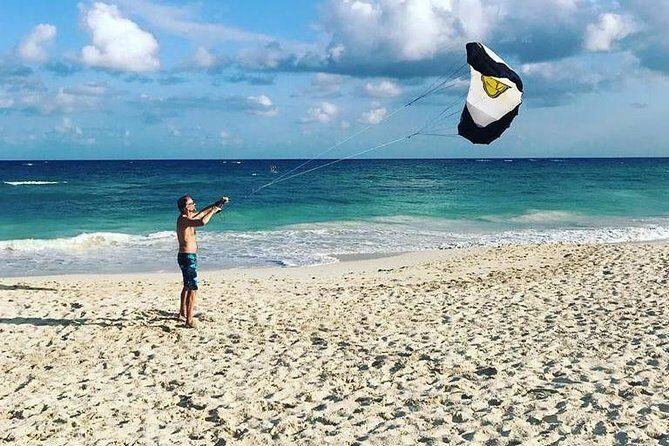
This experience is described as suitable for most travelers, and it explicitly aims to get absolute beginners riding and possibly jumping by day’s end.
I think it’s especially good for:
- True beginners who want coaching that starts at the wind basics, not at board control.
- Small groups who want the instructor’s attention and a pace that doesn’t feel rushed.
- Travelers who like structured lessons and want to know exactly what they’ll learn during each part of the day.
- People who appreciate a supportive, community-style school environment.
If you already kite at an advanced level, you might find the early sessions more instructional than challenging. The focus here is progression from zero to riding, not advanced tricks.
Quick FAQ
FAQ
How long is the private kitesurfing lesson?
It’s a single 3-hour session (about), run as three parts within that time.
Is the lesson private or shared with other people?
It’s private, meaning only your group participates.
What language is the lesson offered in?
The lesson is offered in English.
Do I need to bring kitesurfing gear?
No. The experience includes all necessary gear, described as coming from international brand names.
What happens if the weather isn’t good enough to kite?
The experience requires good weather. If it’s canceled due to poor weather, you’ll be offered a different date or a full refund.
Where does the lesson meet and start?
The meeting point is at the Posada Lamar area in Tulum (with a listed GPS-style location). The activity ends back at the meeting point.
Should You Book This Private Kitesurfing Lesson in Tulum?
If you want your first kitesurf day to feel organized, coach-driven, and focused on safe progress, this is a smart choice. The biggest reasons: the lesson is built for beginners with a clear wind-to-riding progression, it’s truly private with full attention, and the gear is handled so you can spend your energy learning.
Book it if you’re okay with the one real catch of kitesurfing: conditions matter. When the wind cooperates, the structure gives you a strong shot at being on the board by the end of your 3 hours—and even if you don’t jump, you’ll leave with real mechanics, safety knowledge, and next-steps guidance for continuing in Tulum.


More Tour Reviews in Tulum
- Selva Maya Eco Adventure Park: Ziplining, Hanging Bridges, Rappelling and Cenote
★ 5.0 · 1,057 reviews