REVIEW · TULUM
Tulum Area Experiences Guided 2 Tank Scuba Dive Casa Cenote & Barrier Reef-Lunch
Book on Viator →Operated by TAE Tulum Area Experiences · Bookable on Viator
If you want two very different water worlds, this tour fits the bill. You start at Casa Cenote for a freshwater tank session, then head out to the open sea for a second tank session over the Tulum barrier reef. I like how the day mixes wildlife with a real Mayan meal, not just a quick snack stop.
Two things I really liked: the chance to see freshwater life in the cenote (including a resident crocodile) and the mid-day Mayan cochinita lunch with fresh fruit. The one drawback to plan around is that the ocean portion is weather-dependent, so if conditions aren’t right you’ll do an alternate cenote instead of the reef.
In This Review
- Key highlights that matter before you go
- Casa Cenote and the reef plan: two water worlds in one guided 6-hour day
- Getting there: meeting point, pickup radius, and parking reality
- The 8:00 start and how the day actually runs
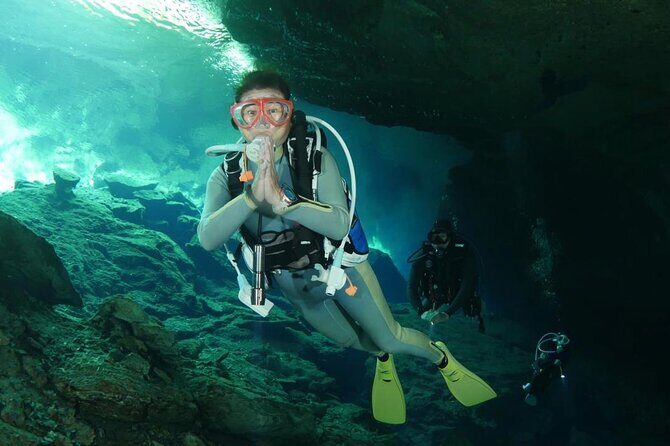
- Casa Cenote tank swim: freshwater roots, a resident crocodile, and real safety checks
- A small logistical note: cenote entry can take time
- Mating the meal to the mission: Mayan lunch, cochinita, and what to eat after gear
- Boat ride to the Tulum barrier reef: open ocean, choppy-water prep, and wildlife spotting
- Scuba guidance style: small-group attention and first-timer confidence
- Weather rules, reef substitutions, and why your day might change
- Gear, comfort, and what to bring to feel good
- Price and logistics: what $209.95 buys you (and where it might disappoint)
- Who should book this Casa Cenote and barrier reef scuba day
- Should you book?
- FAQ
- How long is the scuba tour in Tulum?
- What time does the tour start?
- Is hotel pickup included?
- How many people are in the group?
- What’s included in the price?
- What happens if ocean conditions are too rough for the barrier reef?
- Do you need to have prior scuba experience?
Key highlights that matter before you go
- Freshwater + saltwater in one outing: cenote first, then open ocean for the reef
- Small group feel (max 12): you’re more likely to get hands-on help and clearer safety checks
- A real local meal: cochinita sandwiches plus seasonal fruit and drinks
- Guides who focus on safety and patience: multiple guides are mentioned as calm, instructive, and attentive
- Weather rules are real: reef plans can switch if the ocean is too rough
Casa Cenote and the reef plan: two water worlds in one guided 6-hour day
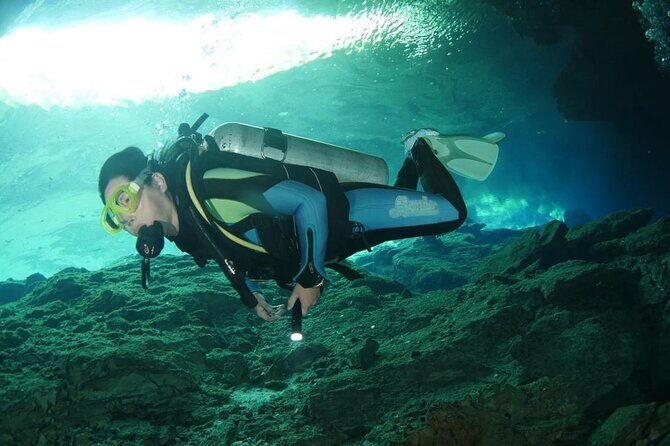
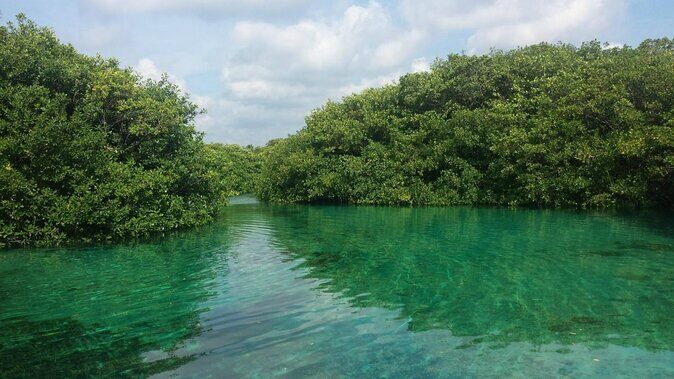
This is a classic Tulum combo day, built around one simple idea: you shouldn’t have to choose between cenote life and reef life. Casa Cenote gives you that freshwater-to-saltwater connection vibe, since the site is described as directly open to the ocean. Practically, that often means you get fish and sea life in a setting that feels more like a natural water maze than a pool.
Then comes the second shift: you’re on the boat and focused on the barrier reef. Expect more open-water conditions, more swell, and a different set of animals. If you’ve only ever done one type of scuba setting, this kind of day can feel like comparing two seasons of the same world.
Other cenote tours we've reviewed in Tulum

Getting there: meeting point, pickup radius, and parking reality
The tour starts back at the meeting point at Venus Ote. 238, Tulum Centro at 8:00 am. Pickup is offered, and it’s free—if you’re within a 5-mile radius of Tulum. That matters because Tulum can be spread out, and some people end up needing to meet at the office instead of being picked up.
One practical heads-up: finding the office can be tricky, and parking in Tulum Centro can be hard. If you’re driving, give yourself extra time just to park and walk in. If you’re using a ride-share, ask to be dropped exactly at the address and then check on foot.
The 8:00 start and how the day actually runs
The schedule is built for an early start, so you’re usually moving from land into the water before midday crowds build. The total time is about 6 hours, with the day ending back at the meeting point.
A useful planning tip: since pickup windows can shift depending on the day (it can range from 7:30 am to 9:00 am), don’t book a firm plan for immediately right after noon. Build in buffer time for getting dressed, traveling between spots, and the small delays that can happen when equipment or timing needs extra attention.
Casa Cenote tank swim: freshwater roots, a resident crocodile, and real safety checks
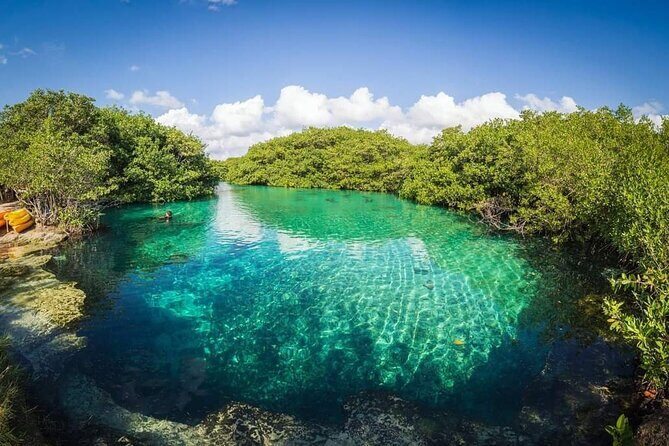
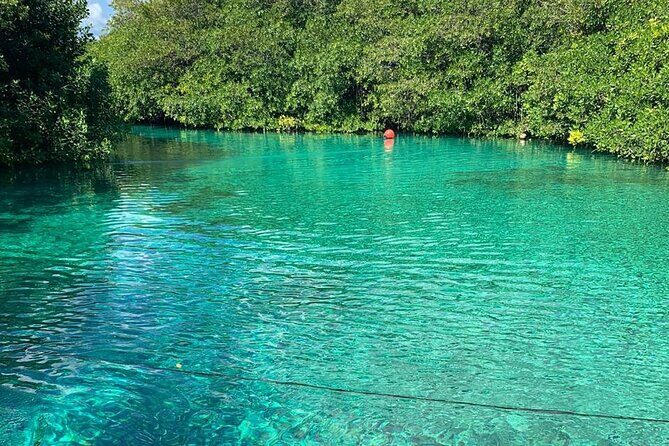
Casa Cenote is where the day hooks you. The cenote setting is described as full of freshwater fish and you’ll swim near mangrove roots. That mix of visibility, roots, and shadowy edges is a big part of why people love this site—there’s always something to look at without needing to chase it.
One standout detail that keeps showing up is the resident crocodile/alligator. That’s not a gimmick; it’s a reminder that you’re in a living system. Guides in the past are noted as pointing out what’s interesting so you don’t miss the quieter moments.
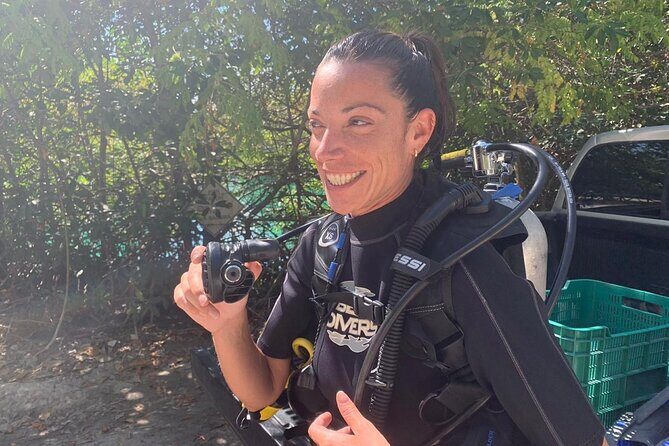
You’ll also get a real skills rundown, especially if you’re new. Multiple accounts describe the instruction as patient and step-by-step, with safety checks done in front of you and attention to how you use your gear. If you’re anxious about first-time tank control, this is the part of the day that should put you at ease—because you practice with your guide before the open-water section.
A small logistical note: cenote entry can take time
Cenote entry areas can be tight and visual conditions can affect how quickly everyone settles. If you’re coming as a mixed-level group, you might spend extra minutes getting everyone comfortable and sorted before moving deeper into the cenote environment.
Other Dos Ojos and cenote diving experiences we've reviewed

Mating the meal to the mission: Mayan lunch, cochinita, and what to eat after gear
After the cenote portion, you eat. The lunch is described as traditional Mayan, including cochinita sandwiches, fresh fruit, water, and juice. In a day with two underwater sessions, that meal isn’t just about taste—it’s fuel and morale.
Cochinita is a solid choice for an after-tank meal because it’s filling without being delicate. The fresh fruit is the easy win for quick carbs and hydration, especially if you tend to feel wiped out after the salt-air boat time. If you have a sensitive stomach, I’d still keep an eye on how much you eat quickly—most people can handle it fine, but tank days can make you hungry and nauseate at the same time if you overdo it.
Also, snacks and bottled water are included, which helps you avoid the post-reef hunger crash.
Boat ride to the Tulum barrier reef: open ocean, choppy-water prep, and wildlife spotting
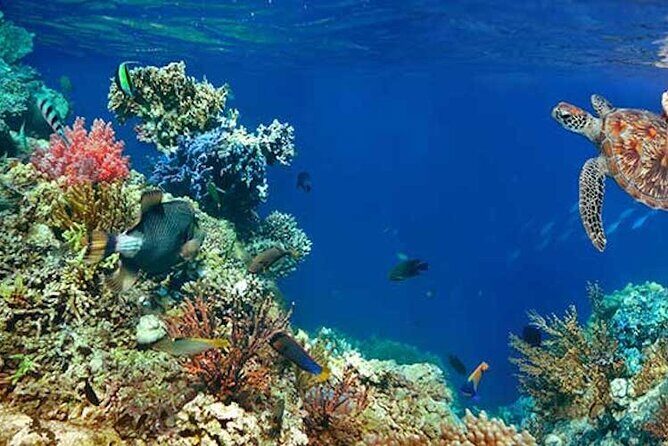
After lunch, you’ll ride by boat out toward the reef. The barrier reef portion is where conditions shift from cenote stillness to open-ocean movement. In past experiences, some divers were nervous because the water was choppy, yet guides are described as calm and supportive—helping people settle instead of rushing.
For you, that means two things:
- You’ll be more aware of buoyancy and comfort because waves change how your body feels.
- A good guide’s local instincts matter more—where animals are, how currents feel, and how to pace the group.
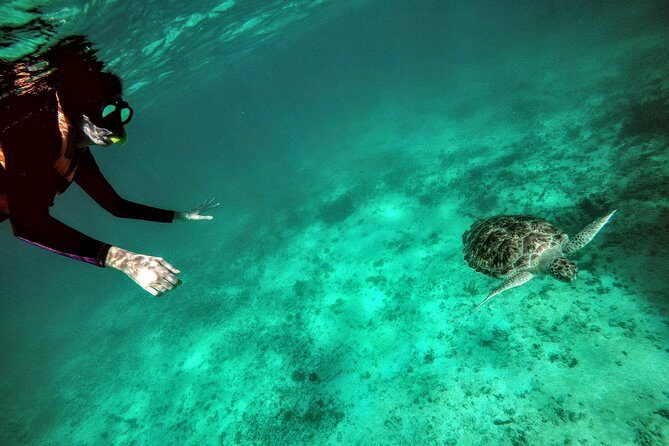
Wildlife expectations are broad by nature, but the general promise here is a step up in animal variety compared with the cenote. One account mentions seeing a lobster up close, which tells you that you’re not just looking at sand. You’re likely scanning rocks and reef edges for movement.
Scuba guidance style: small-group attention and first-timer confidence
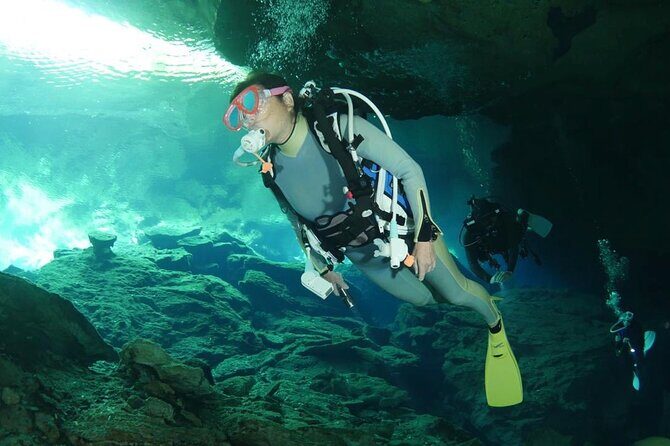
This tour is built for a maximum of 12 travelers, and that shows in the way guides can work with you. In multiple experiences, guides named Paco and Carlos are described as friendly, patient, and careful with safety steps. Other guides mentioned in similar outings include Brenda, Johannes, and Ricardo.
What I look for on tank days is consistency: clear safety checks, calm pacing, and the ability to explain what’s happening without making you feel rushed. Based on the guide descriptions, that’s a big part of what people love here—especially when someone is new or nervous.
If you’re hoping to get a certification later, this kind of day can also serve as a confidence builder. One account framed it as a way to test the water before committing long-term, and that matches how I’d think about it: two different underwater environments, with instruction and structure.
Weather rules, reef substitutions, and why your day might change
This outing is sensitive to ocean conditions. That’s not unusual for Tulum, but it matters for your expectations and your wallet.
The plan is to try the barrier reef, but if conditions don’t allow it, you’ll be offered an alternate dive such as a second cenote. What you should know is that partial refunds for weather issues out of the company’s control aren’t offered. If the full activity gets canceled due to poor weather, you’ll be offered a different date or a full refund.
So the real strategy for you is simple: treat the reef as the goal, not the guarantee. If your heart is set on only one specific environment, you’re taking a risk with any open-ocean scuba outing.
Gear, comfort, and what to bring to feel good
Scuba gear is included, plus entrance/admission to Casa Cenote, boat fees, snacks, bottled water, and the lunch. That’s a big value point: you avoid the hassle of renting multiple items or paying extra for transport.
Still, comfort is your job. Some people mention bringing their own gear like masks, wetsuits, and fins to match what they already use. If you’re doing that, it can make you more comfortable in both environments. If you’re relying on provided gear, inspect your mask fit and comfort early when you’re getting sorted.
One extra item to consider: a few reviews mention bringing your own towel and even a bit of extra water. The tour includes water, but a towel helps once you get out and want to dry off quickly. Also, if you’re planning on phone protection for photos, remember cenote water clarity can vary—some waterproof cases don’t give sharp underwater results depending on visibility.
Price and logistics: what $209.95 buys you (and where it might disappoint)
At $209.95 per person, you’re paying for more than a single underwater stop. You’re getting:
- a Casa Cenote session (freshwater wildlife)
- a barrier reef session (open ocean)
- two-tank structure as part of the plan
- Mayan lunch with cochinita, fruit, and drinks
- snacks, bottled water
- gear, entrance, and boat fees
- pickup/drop-off within 5 miles
That makes the price feel more reasonable when you look at the total package. Where it can disappoint is if you expected a fancy office setup or “luxury smoothness.” Some experiences note that the office/equipment area can feel old or disorganized, and that finding the place and parking can be a hassle.
Timing is another friction point. One negative experience mentioned a pickup that was later than agreed, and another mentioned a day running longer because tasks and underwater timing can be affected by conditions. On tank days, expect the day to be flexible even with a planned schedule.
My practical takeaway: this is a good choice if you want authentic Tulum nature and wildlife plus clear instruction. If you want a totally polished, no-wobble production, look for something with a higher-end feel.
Who should book this Casa Cenote and barrier reef scuba day
Book it if you:
- want two different underwater settings in one morning-to-midday plan
- like the idea of a small-group outing and calm, patient coaching
- care about local flavor, especially a Mayan cochinita lunch
- are excited to see freshwater life and then compare it to the reef
You might think twice if you:
- only want the reef and would be unhappy doing a cenote replacement
- are very tight on time and can’t handle a later start within pickup windows
- have strong expectations about office cleanliness or modern equipment aesthetics
Should you book?
Yes—if you’re aiming for a nature-first scuba day that feels local, with real instruction and a memorable meal. The best part of this tour is the contrast: Casa Cenote’s freshwater life and roots plus the open-ocean reef experience, all guided with a small-group approach and safety-focused teaching.
If you’re flexible about reef conditions and you can handle the practical side of Tulum logistics, you’ll likely feel like you got your money’s worth. If not, you may want a different format that offers more certainty about conditions and timing.
FAQ
How long is the scuba tour in Tulum?
It runs for about 6 hours.
What time does the tour start?
The start time is 8:00 am.
Is hotel pickup included?
Pickup is offered, with free hotel pickup and drop-off within a 5-mile radius of Tulum.
How many people are in the group?
The tour has a maximum group size of 12 travelers.
What’s included in the price?
Included are scuba equipment use, Casa Cenote entrance fee, boat fees, local Mayan lunch (cochinita, fresh fruit, waters/juice), plus snacks and bottled water.
What happens if ocean conditions are too rough for the barrier reef?
If the reef can’t be done due to ocean conditions, you’ll be offered an alternate dive such as a second cenote. If the entire activity is canceled due to poor weather, you’ll be offered a different date or a full refund.
Do you need to have prior scuba experience?
Most travelers can participate, and you’ll receive instruction and a class as part of the day.
More Scuba Diving Tours in Tulum

More Dos Ojos & Cenote Diving
More Cenote Tours in Tulum
- Selva Maya Eco Adventure Park: Ziplining, Hanging Bridges, Rappelling and Cenote
★ 5.0 · 1,057 reviews