REVIEW · TULUM
Raw Foods Cooking Class Mastering Vibrant Plant Based Cuisine
Book on Viator →Operated by Elliot Fabri · Bookable on Viator
Raw vegan cooking can be fun and doable. This 3-hour class in Tulum is a hands-on way to turn everyday ingredients into restaurant-style raw dishes, with step-by-step guidance and real tools like high-speed blenders and even a dehydrator. You’ll work in a calm, modern kitchen studio with a small group, so it doesn’t feel like a rushed demo.
I especially like the focus on fresh, seasonal plant-based ingredients—it’s not just theory, it’s recipes built around what tastes good now. I also like the “you can actually repeat this” angle: you get a takeaway recipe booklet plus the method to recreate the dishes at home. One consideration: since it’s fully raw, expect flavors and textures that are different from cooked comfort food, not a substitute for hot, steamy meals.
In This Review
- Key Takeaways
- Where You’ll Be Cooking: Roots Alchemy in La Veleta
- Meet Chef Elliot Fabri and Your Tiny Group
- What “Raw and Fully Plant-Based” Really Means Here
- The Tools You’ll Use: Blender, Processor, Dehydrator
- A Real Menu Plan: Vegan Caesar, Papaya Benedict, Vegan Cheesecake
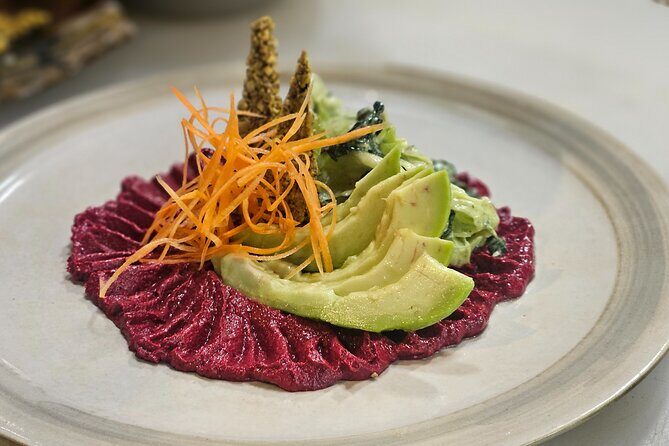
- Starter: Vegan Caesar with Beet Hummus
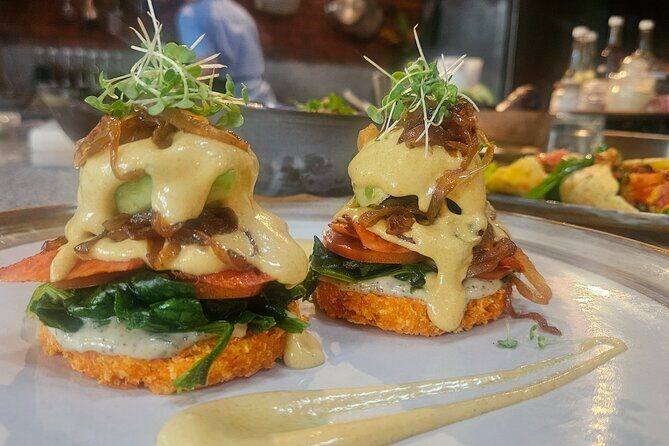
- Main: Papaya Benedict with Sweet Potato Biscuit and Vegan Hollandaise
- Dessert: Vegan Cheesecake
- How the Class Flows: From Prep to Plating to Eating
- Price and Logistics: Is $95 a Good Deal?
- Who This Is Best For (and Who Might Want to Skip It)
- My Booking Advice: How to Get the Most Out of It
- Should You Book This Raw Foods Cooking Class in Tulum?
- FAQ
- Where is the class located?
- How long is the raw foods cooking class?
- How much does it cost?
- What language is the class offered in?
- Is it fully plant-based and raw?
- What is included in the price?
- Can dietary restrictions be accommodated?
- What ages can attend?
- Is there a limit on group size?
- What is the cancellation policy?
Key Takeaways
- Small group size (max 4 travelers) means you get real attention while you chop, blend, and assemble.
- Real raw tools are part of the lesson, including a high speed blender, food processor, and dehydrator.
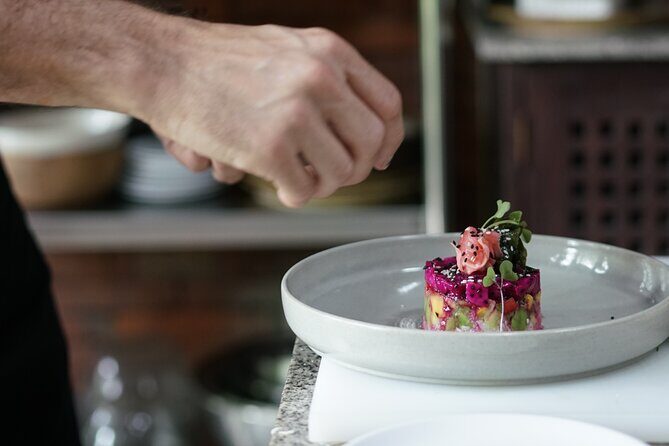
- A menu that feels like fine dining: Vegan Caesar with beet hummus, Papaya Benedict with vegan hollandaise, and vegan cheesecake.
- Hands-on guidance throughout so you’re not just watching your plate come together.
- Recipe booklet included, so you’re leaving with more than full bellies—you’re leaving with a plan.
Where You’ll Be Cooking: Roots Alchemy in La Veleta
This class starts and ends at the same spot: Roots Alchemy, 10th sur 922-L19, La Veleta, 77762 Tulum, Q.R., Mexico. That’s a nice setup if you’re in Tulum for a few days and don’t want to factor in long transport time between activities.
The kitchen is described as tranquil and modern, which matters more than you might think. Raw food prep can get noisy fast (blenders and processors do their thing). A calmer space makes it easier to focus on technique—how thinly you slice, how long you blend, and how you build layers so the flavors land in the right order.
It runs within the broader opening window of 10:00 AM to 5:00 PM, and the class itself is about 3 hours. If you’re planning your day, treat it like a solid meal block, not a quick stop.
Other Mexican food and cooking tours we've reviewed in Tulum

Meet Chef Elliot Fabri and Your Tiny Group
The experience is led by Elliot Fabri. Based on the vibe people highlight, his teaching style leans toward creative and approachable, with energy that makes the whole process feel easy to join. That’s a big deal for a raw cooking class, because if you’re new to it, you’re going to have questions like: How do you get depth without heat? How do you get sauces to actually work?
Here’s the practical part: the group is capped at 4 travelers, and the workshop is hands-on. That usually means you’ll get individualized feedback—how your mixture is looking, whether you’ve blended far enough, and how to plate so it doesn’t turn into a bowl of stuff.
Language is English, and you’ll get confirmation at booking. You’ll also have a mobile ticket. Service animals are allowed.
One more point for planning: on average, this is booked about 8 days in advance, so if you’re set on a specific day or time, don’t wait until the last minute.
What “Raw and Fully Plant-Based” Really Means Here
This is fully plant-based and centered on raw cuisine. That means your dishes are built without heat cooking, using ingredients like fresh produce, nuts, seeds, and superfoods. The payoff is that you learn how to create richness and comfort through blending, soaking, and smart flavor mixing instead of cooking.
In plain terms, you’re training your palate and your skills at the same time. Many raw recipes rely on things like:
- cashews or nuts for creamy texture
- seeds for body and crunch
- vegetables for freshness and brightness
- careful acidity and seasoning to mimic the punch you’d normally get from cooked dishes
The class also says dietary restrictions can be accommodated if you let them know in advance. That’s important because raw menus still include common ingredients like nuts, seeds, and certain produce. If you have allergies or you’re avoiding specific items, reach out early so the kitchen can plan around you.
Also, the class is suitable for ages 6+. If you’re bringing kids, it can be a fun way to get them involved in chopping, assembling, and plating—just know it’s still a real cooking workshop, not a babysitting event.
The Tools You’ll Use: Blender, Processor, Dehydrator
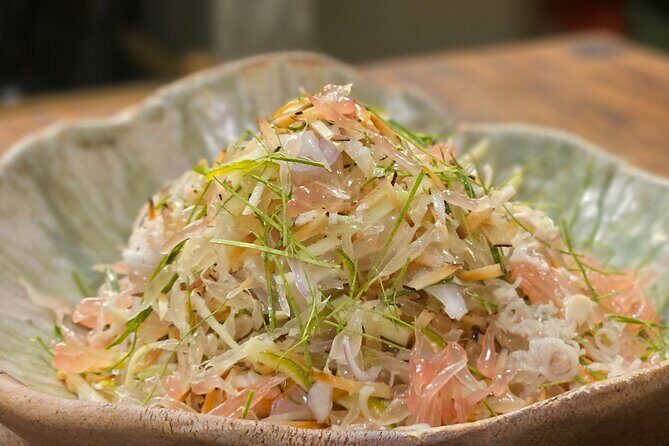
This is not the “let’s just eat salad” version of raw food. The class specifically includes step-by-step cooking guidance with tools like:
- high speed blenders
- food processor
- dehydrator
Learning these tools changes what you think raw food can do. A blender makes sauces and dressings silky. A food processor helps you get finer textures for hummus-like bases and crisp components. A dehydrator can add a different kind of structure and chew—often what helps raw food feel more like a real meal with multiple textures.
You don’t need to own these machines right away to enjoy the class, but you’ll leave knowing what can be substituted later. The bigger value is understanding method: how texture guides flavor, and how you can build a dish with layers instead of mixing everything into one bowl.
A Real Menu Plan: Vegan Caesar, Papaya Benedict, Vegan Cheesecake
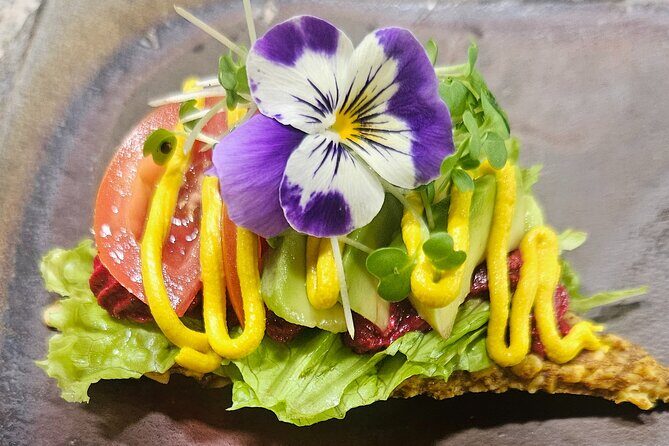
The class uses a sample menu that’s clearly designed to show range—savory, fresh, and then dessert that still feels indulgent.
Other cooking classes in Tulum
Starter: Vegan Caesar with Beet Hummus
You’ll start with a twist on a classic: Vegan Caesar with beet hummus. The idea is straightforward but clever—crisp greens get tossed in creamy cashew dressing, and then they sit on top of a beet hummus base.
Why this works: you get the familiar comfort of Caesar flavors (tangy, creamy, salty) but you also get an earthy, sweet base from the beets. Beet hummus isn’t a concept most people expect in a Caesar. That contrast is what makes the dish feel more like fine dining than basic raw food.
What to pay attention to during prep:
- how creamy your dressing is after blending
- how thick or spreadable the beet hummus feels
- how you portion the beet base so greens don’t get weighed down
Main: Papaya Benedict with Sweet Potato Biscuit and Vegan Hollandaise
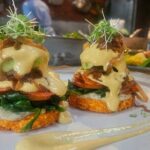
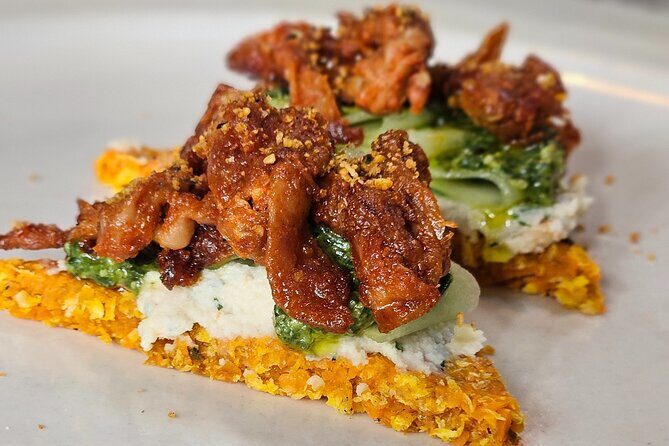
Next is Papaya Benedict, with a sweet potato biscuit, papaya “salmon,” fresh veggies, and a vegan hollandaise sauce.
This menu item is a smart teaching tool because it shows how raw cuisine can imitate the logic of a cooked dish. Benedict is all about contrast: a base, a savory topper, and a sauce with shine and tang. Here, the “salmon” concept uses papaya, and the hollandaise is vegan.
The sweet potato biscuit also matters because it gives your meal structure. Without cooked bread, raw dishes can sometimes feel light. This kind of base helps you feel like you ate a main course, not a snack.
If you’re new to raw food, this is likely the dish that changes your mind the fastest. You’re not just making a salad—you’re building a plate with the same kind of purpose as brunch.
Dessert: Vegan Cheesecake
Finally, you’ll make vegan cheesecake. Dessert is where many raw food classes either impress or disappoint. The fact that cheesecake is on the menu suggests the workshop aims at texture and richness, not just fruit plates.
Expect a focus on making it feel like cheesecake in the mouth—creaminess, sweetness, and body—using plant-based methods. Even if you’ve tried raw desserts before, this is one of the better formats to learn because you’ll see how the “cheesecake” effect comes from ingredients and ratios.
How the Class Flows: From Prep to Plating to Eating
While the exact minute-by-minute schedule isn’t spelled out, the structure is clear: you’ll be guided step-by-step to prepare raw dishes, then you’ll dine on what you made. The overall time is about 3 hours, which is enough time to do real prep without turning the experience into a marathon.
You’ll also get refreshments: coffee, tea, and infused water. That may sound minor, but it helps you settle into the meal rhythm. A raw food class can feel a little intense if you’re hungry and rushing, so the drinks are a nice buffer.
Because the workshop is small, you can usually ask questions during key steps—what to do if a mixture is too thick, how to fix seasoning balance, and what texture you should aim for when blending.
Price and Logistics: Is $95 a Good Deal?
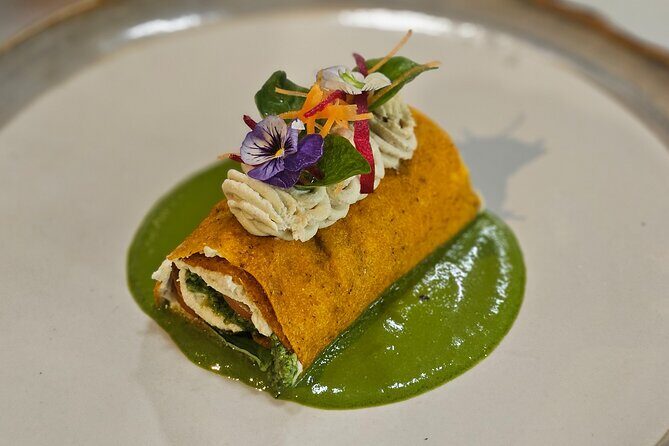
At $95 per person for about 3 hours, the value mostly comes from three things the class is doing right:
1) All ingredients and tools are included, so you’re not paying extra for the produce, nuts, seeds, and equipment use.
2) You get a full meal worth of dishes (starter, main, dessert), not a bite-size sample.
3) You leave with a takeaway recipe booklet, so it’s not just a one-night event.
It’s not the cheapest thing in Tulum, but raw cooking classes often cost more because the ingredients and prep are more specialized. The small group format (max 4) also supports the price—this is closer to a personalized food lesson than a generic group activity.
One more practical note: free cancellation is available up to 24 hours in advance for a full refund, and cut-off times use local time. If your schedule in Tulum is flexible, that makes it easier to book confidently.
Who This Is Best For (and Who Might Want to Skip It)
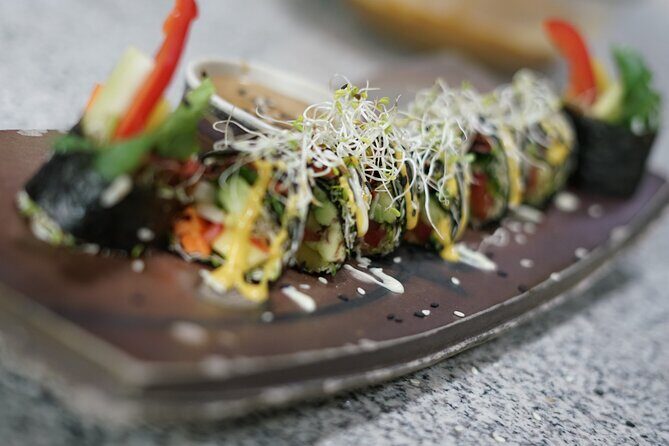
You’ll probably love this class if:
- you want plant-based cooking skills you can use at home
- you enjoy food with texture and layers
- you’re curious about raw cuisine but not trying to become a raw-food purist overnight
- you like the idea of learning with a small group and a friendly instructor
You might want to consider skipping if:
- you only want hot, cooked food (raw dishes won’t feel like that)
- you’re extremely sensitive to nuts or seeds and didn’t plan ahead to discuss restrictions
- you prefer a casual tasting over hands-on work
It’s also a solid pick for food lovers who like “serious but not fussy.” The menu is presented like it belongs on a restaurant table: Caesar that’s clever, Benedict that’s built, and cheesecake that aims for indulgence without heat.
My Booking Advice: How to Get the Most Out of It
If you book, do it with a plan. Here’s what I’d suggest so you leave with more than just recipes:
- Tell them your dietary restrictions early so the kitchen can adjust ingredients properly.
- Show up ready to taste and adjust. Raw food seasoning can feel different from cooked food, so trust the instructor’s method and taste as you go.
- If you have your own blender or food processor at home, think about what speeds and textures you like. You can match those preferences when you make the recipes later.
- Wear clothes you don’t mind getting a little food-on-them clean-up-wise. Raw prep still includes cutting, blending, and sauces.
And since it’s usually booked about a week ahead, pick a day that fits your schedule rather than waiting for the “perfect” time that might disappear.
Should You Book This Raw Foods Cooking Class in Tulum?
If you want a fun, teachable experience that turns plant-based raw food into something that feels elegant and satisfying, I’d book it. The small group format, the range of dishes (Caesar, Benedict, cheesecake), and the hands-on use of tools like blender, processor, and dehydrator are a strong combo for building real skills.
Skip it only if you’re firmly in the hot-food camp or you know you won’t enjoy the raw texture style. Otherwise, this is the kind of class that can change what you think raw cuisine is capable of—without making it feel complicated.
FAQ
Where is the class located?
It starts and ends at Roots Alchemy, 10th sur 922-L19, La Veleta, 77762 Tulum, Q.R., Mexico.
How long is the raw foods cooking class?
It lasts about 3 hours (approx.).
How much does it cost?
The price is $95.00 per person.
What language is the class offered in?
The class is offered in English.
Is it fully plant-based and raw?
Yes. It’s fully plant-based and focused on raw cuisine.
What is included in the price?
All ingredients, cooking equipment and tools are included, along with the raw dishes prepared during class and refreshments (coffee, tea, and infused water). You also receive a takeaway recipe booklet.
Can dietary restrictions be accommodated?
Yes. Dietary restrictions can be accommodated if you let them know in advance.
What ages can attend?
The class is suitable for guests ages 6+.
Is there a limit on group size?
Yes. There is a maximum of 4 travelers.
What is the cancellation policy?
You can cancel for a full refund up to 24 hours before the experience’s start time (local time). After that window, the amount paid is not refunded.

More Cooking Classes in Tulum
More Tour Reviews in Tulum
- Selva Maya Eco Adventure Park: Ziplining, Hanging Bridges, Rappelling and Cenote
★ 5.0 · 1,057 reviews