REVIEW · TULUM
Tulum: Hands-On Mexican Cooking Class
Book on GetYourGuide →Operated by Tamarindos Tulum · Bookable on GetYourGuide
Cooking in Tulum beats another beach afternoon. This hands-on class at Tamarindos is a practical way to learn Mexican flavors using fresh local produce, led by expert chefs. I especially like the tight 3-hour rhythm and the fact you cook, taste, and share as a group. One thing to consider: the menu can change with what’s available, so you won’t always get the exact dishes you’re picturing.
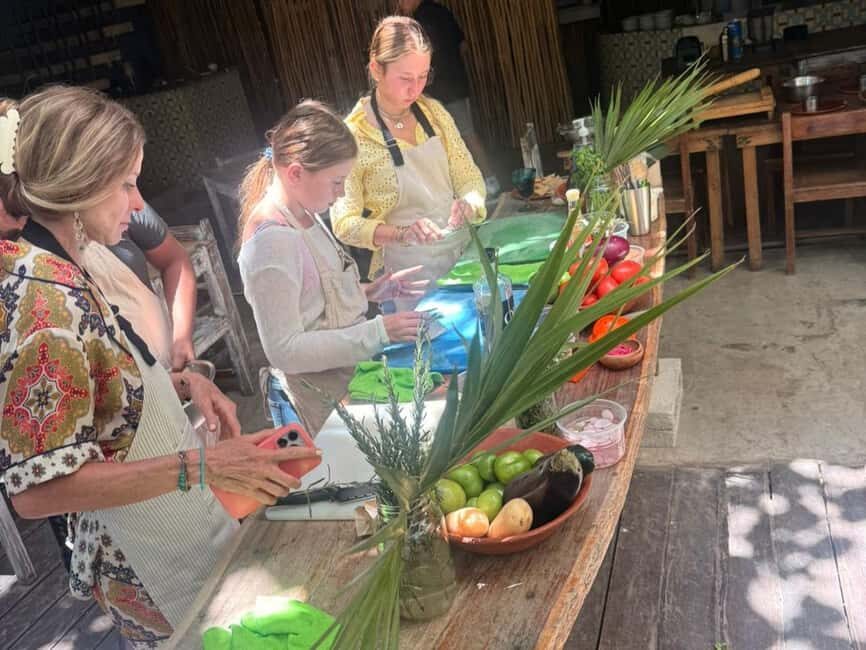
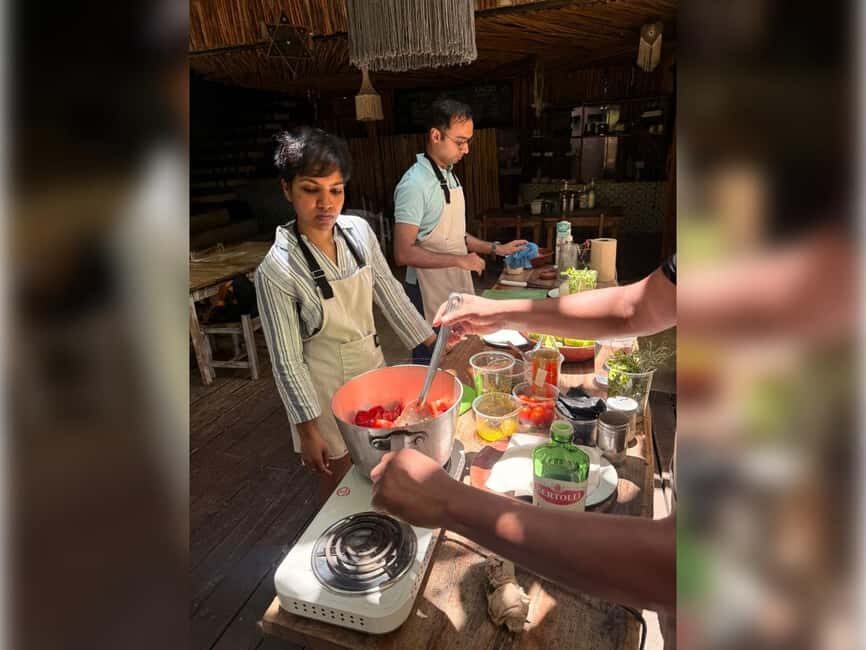
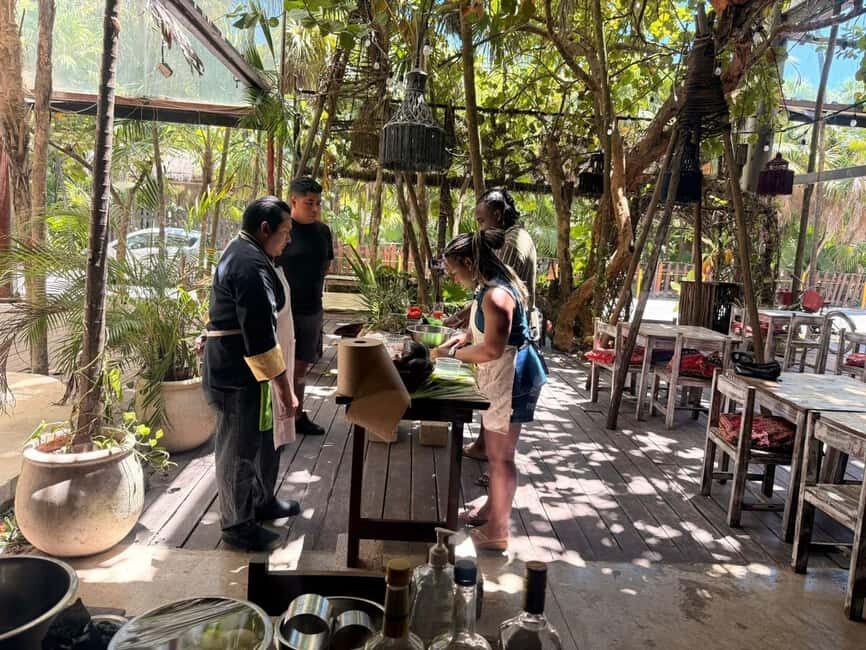
I also like that it’s limited to a small group, so the chef can slow down and correct your technique. In at least one small session, chef José worked with colleague Gabriel and the group was only four people—very hands-on, not a “watch from the back” setup. And yes, it’s a nice way to stay out of the sun for a bit without giving up on a food-focused Tulum experience.
In This Review
- Key Highlights to Know Before You Go
- Tamarindos Tulum: A 3-Hour Cooking Class That Feels Personal
- Where the Class Starts: Tamarindos and the Ingredient-First Approach
- Building Flavor the Hands-On Way: Tortillas, Ceviche, and Tacos
- Homemade tortillas
- Ceviche practice
- Tacos (and the fun factor of assembling)
- Why the Mediterranean-Caribbean Twist Matters (and How You Can Use It)
- The Communal Meal: Eating Your Work Without Waiting Around
- What You Really Take Home: Skills and Recipes You Can Repeat
- Price and Value at $103: What You’re Paying For
- Logistics That Matter: Timing, Transport, and What to Bring
- Who Should Book This Tulum Cooking Class (and Who Might Skip)
- Should You Book This Tour at Tamarindos?
- FAQ
- FAQ
- How long is the Tulum cooking class?
- Where does the class start and end?
- Is this class a small group?
- What dishes will I make?
- What is included in the price?
- What is not included?
Key Highlights to Know Before You Go
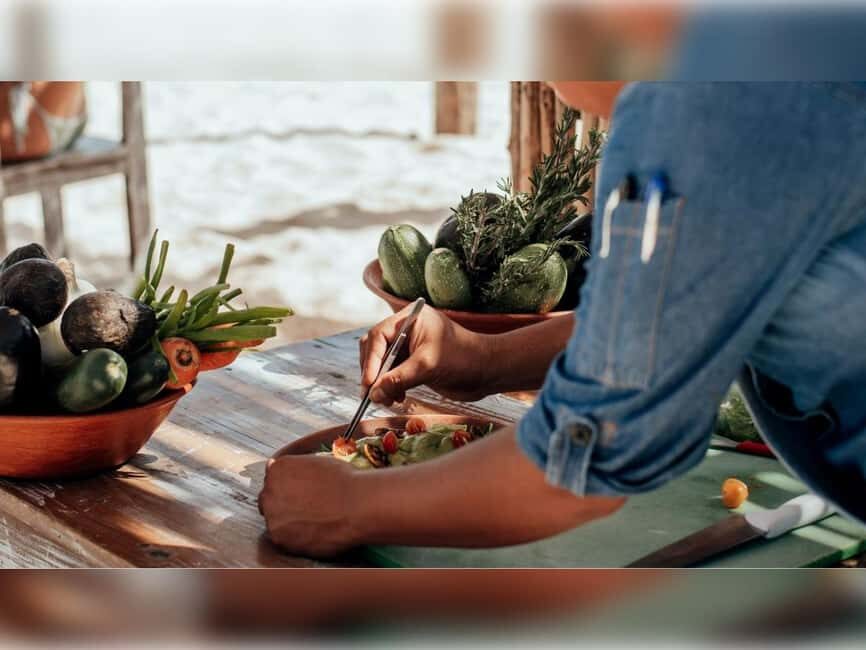
- Small-group limit (8 people max) means more attention while you cook
- Local farm sourcing shapes the menu and keeps flavors grounded
- You’ll make multiple dishes, not just one item for a photo
- Tamarindos meets you in the middle of Tulum Beach and the class ends there
- Communal meal afterward lets you eat what you made, at a relaxed pace
Tamarindos Tulum: A 3-Hour Cooking Class That Feels Personal
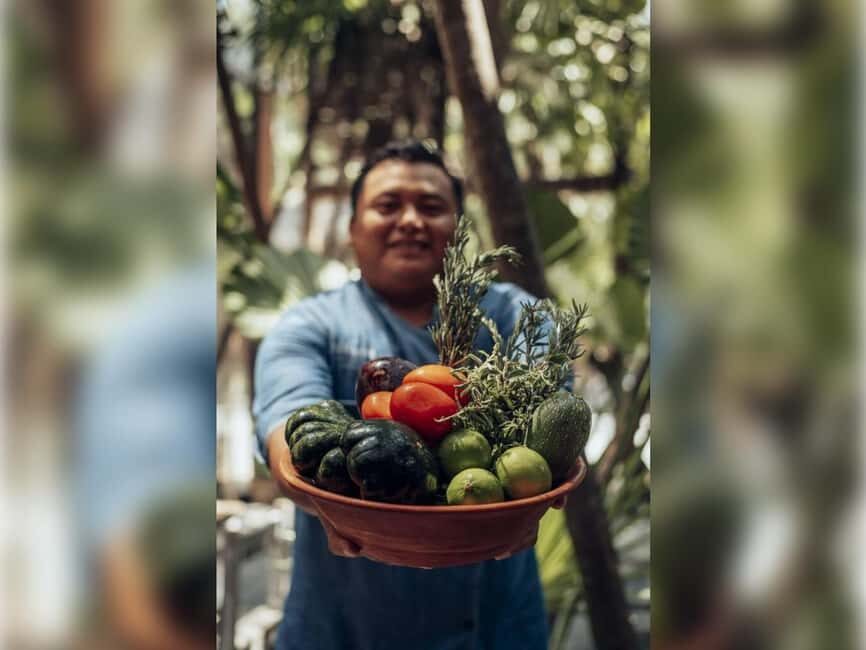
If you want a Tulum activity that’s actually doing something, not just looking, this class delivers. It runs for about 3 hours, which is long enough to learn real basics but short enough that it won’t hijack your whole day. The setting starts and ends at Tamarindos, located in the heart of Tulum Beach, so you’re not spending your limited time in transit.
What makes it feel personal is the size. The class is a small group limited to 8 participants, and it can get even smaller in practice. That matters because cooking is all about feedback: how you hold the knife, how you balance acidity, how you press and cook tortillas. In a larger class, you can get lost. In a small one, you stay in the flow.
You’ll get expert chef guidance throughout, plus the ingredients and equipment. And then you get the best part: you eat what you made in a shared, communal meal. No awkward “good luck, see you later” moment.
Other Mexican food and cooking tours we've reviewed in Tulum

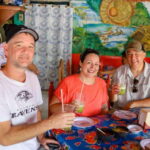
Where the Class Starts: Tamarindos and the Ingredient-First Approach
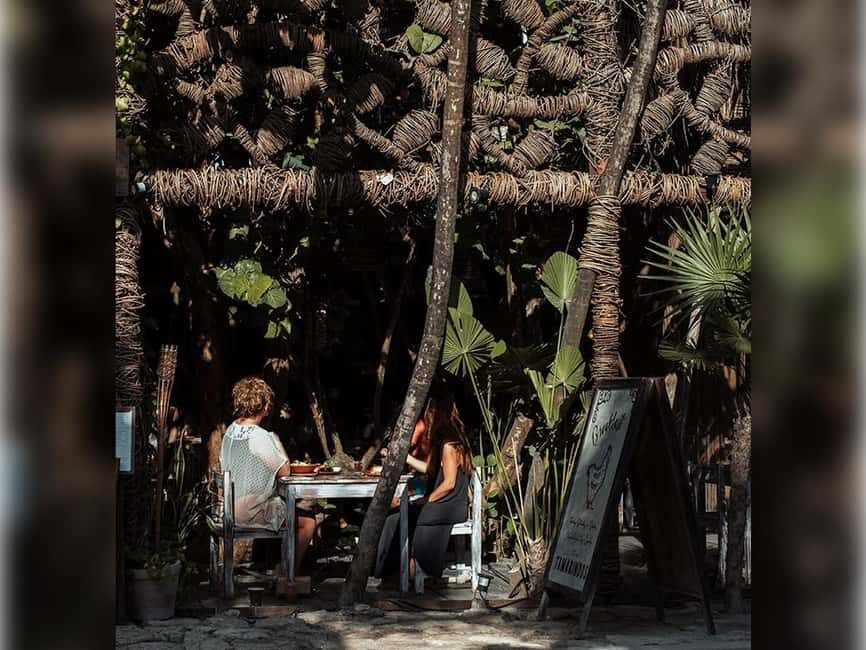
The class kicks off at Tamarindos, right where you can feel the beach town energy around you. Before anyone heats up a pan, you start with ingredients and what they do in Mexican cooking. You’ll learn how the produce is sourced from nearby farms and why that matters for flavor and consistency.
I love an ingredient-first lesson because it changes how you cook later. Instead of copying steps blindly, you start understanding why something tastes the way it does. That’s the difference between a one-off meal and a recipe you can repeat at home.
If you’re the type who likes food explanations but hates a lecture, this format is a good fit. It stays practical. You’re learning just enough about the ingredients to cook confidently when your turn comes.
Building Flavor the Hands-On Way: Tortillas, Ceviche, and Tacos
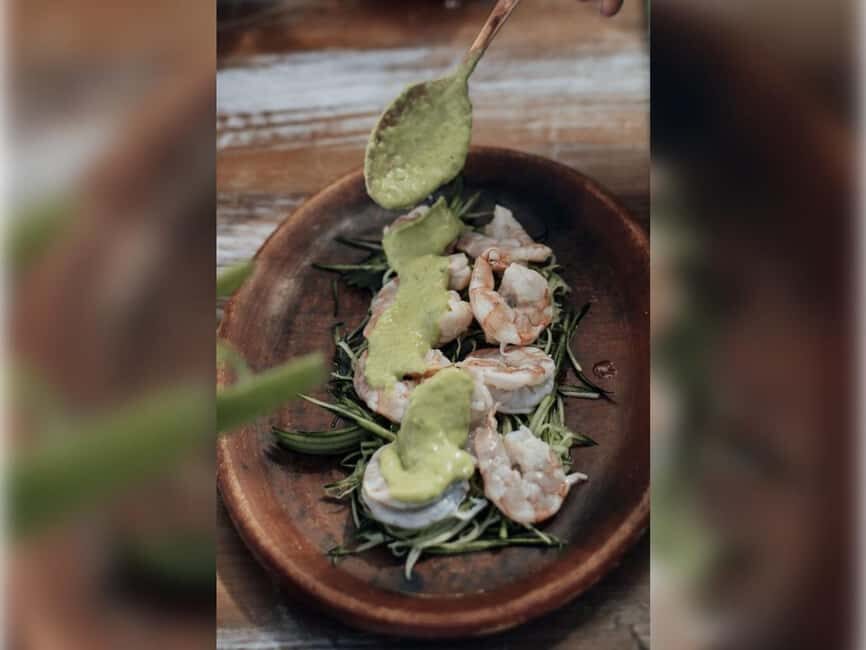
This is not a “tiny appetizer demonstration.” It’s a hands-on class where you actively participate in making dishes. The menu centers on traditional Mexican recipes, but with Mediterranean and Caribbean influences that keep things from feeling like a template.
Homemade tortillas
You’ll start rolling up your sleeves with homemade tortillas. Tortillas sound simple until you’re working them in real time. This is where the chef’s guidance earns its keep—how to get the texture right, how to handle dough, and how timing matters. Even if you’ve made tortillas once before, this kind of guided practice can tighten up your technique fast.
Ceviche practice
Next comes ceviche, a dish where precision is less about fancy tools and more about timing and balance. You’ll learn the approach used in Mexican cooking, then apply it in your own bowl. The result is you taste your way through decisions like acidity and seasoning, guided so you don’t end up with something too sharp or too flat.
One verified class included ceviche as the main dish. I like that setup because ceviche is interactive: you’re not just cooking something hot; you’re tuning something fresh.
Other cooking classes in Tulum
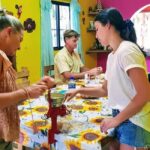


Tacos (and the fun factor of assembling)
Then you’ll move into tacos. Tacos are where technique meets joy. You can have great ingredients and still end up with something disappointing if the assembly isn’t right. This part helps you understand how the elements work together, not as separate dishes, but as one eating experience.
In at least one class, the group made multiple items and then sat down to eat them all. That’s a big reason this is worth your time: you don’t just learn how to cook. You learn how it all lands on a plate.
Why the Mediterranean-Caribbean Twist Matters (and How You Can Use It)
The class blends traditional Mexican recipes with Mediterranean and Caribbean influences. That sounds broad, but it’s useful. It means you’re not only learning classic flavor logic—you’re also seeing how modern cooks remix it.
In practical terms, you’ll likely notice that the chef’s flavor decisions are a bit more about freshness, balance, and clean tastes than heavy, one-note seasoning. You’re working with fresh produce, and you’re using techniques that keep flavors bright instead of dull.
That matters when you cook at home. If you only learn the dish as a fixed recipe, you may struggle to adapt later. If you learn the principles—how citrus works, how fresh ingredients change the final taste—you can recreate the vibe even when you can’t source the exact same produce.
The Communal Meal: Eating Your Work Without Waiting Around
After cooking, you sit down for a communal meal and enjoy what you made. This part is quietly important. Cooking classes can feel rushed—like you spend most of your time tasting scraps while the chef does the real work. Here, the communal setup keeps it relaxed.
You’ll taste your dishes alongside fellow participants, so your learning sticks. It also gives you a natural chance to ask questions in context: How would you adjust this? What’s the best way to eat it? What ingredient is doing the heavy lifting?
One class experience included an entrée of guacamole plus ceviche and tacos, and the meal came with a drink for that session. You shouldn’t plan on extra drinks as standard, but it’s good to know that at least some menus include them as part of the overall eating.
What You Really Take Home: Skills and Recipes You Can Repeat
A lot of cooking classes end with a nice memory and an empty stomach. This one ends with newfound skills and recipes you can recreate at home. That’s what makes the time feel like an investment instead of a one-time show.
The recipe part matters because you’ll remember techniques more easily when you can re-check the steps later. And the skills part matters because cooking isn’t just instructions. It’s feel. Learning how to work the dough for tortillas and how to time ceviche is the kind of knowledge you can carry into your own kitchen.
Also, because the menu changes based on availability of local produce, your “lesson” isn’t just a static list of dishes. It teaches you to cook with what you can get—an extremely practical habit if you’re cooking anywhere outside Mexico.
Price and Value at $103: What You’re Paying For
At $103 per person for a 3-hour hands-on class, you should look at value, not just the sticker price. Here’s what you’re getting bundled in:
- Cooking instruction with expert chef guidance
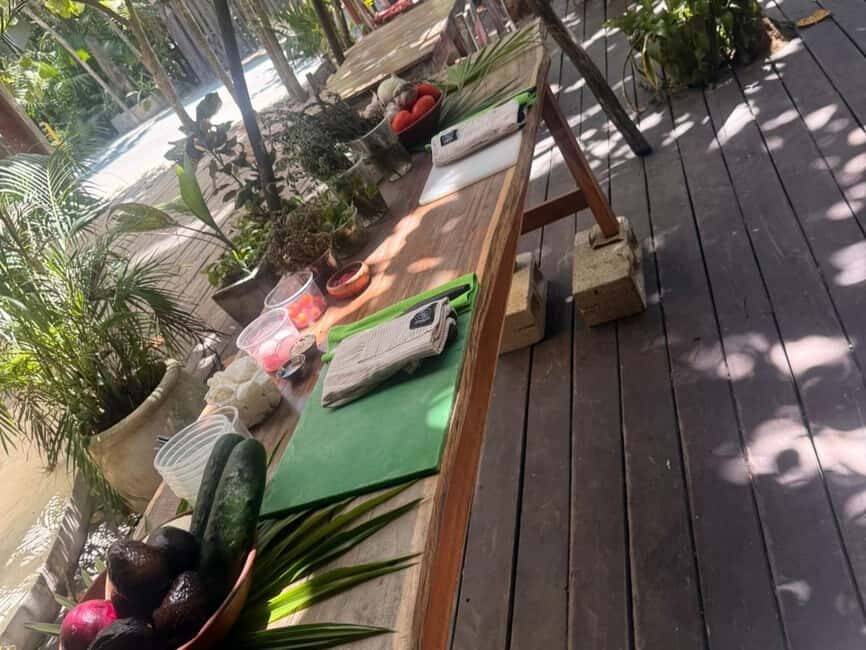
- Ingredients and equipment
- A communal meal with what you cook
That’s a lot more than “a ticket to watch.” You’re basically paying for a guided, multi-dish cooking practice plus the meal itself. And since it’s limited to 8 people, you’re not splitting attention across a huge crowd.
The value also improves if you’re going as a couple or in a small group and want an activity that doesn’t require planning a full dinner afterward. For $103, you end up fed with dishes you made, plus you leave with recipes.
The trade-off: it’s not a flexible budget snack stop. If you mainly want street food and zero cooking, you might prefer other options. But if you want to learn and eat in the same block of time, this pricing stacks up.
Logistics That Matter: Timing, Transport, and What to Bring
Transportation isn’t included, so plan how you’ll get to Tamarindos and back. The good news is the venue is in the heart of Tulum Beach, so it’s usually easier than reaching a far-out location.
Also, starting times depend on availability. If you’re coordinating with other plans, pick a time that keeps you comfortable in the heat before and after the class.
What to bring? The essentials you’d use for any hands-on activity: wear clothes you’re okay with getting close to food and kitchen mess. Keep your focus on the learning, not on staying perfectly spotless.
Who Should Book This Tulum Cooking Class (and Who Might Skip)
This fits you if you want:
- A hands-on food activity, not a passive tour
- A smaller group experience where chefs can help
- A lesson that includes multiple dishes and a real meal
- A break from sun-heavy sightseeing
It might not be your best match if:
- You only want a light tasting experience and don’t want to cook
- You’re set on a specific menu item and can’t handle the fact that dishes can shift with local produce availability
It’s also a great option when you’re there for a short stay and want one activity that gives you both skills and dinner, without a long evening commitment.
Should You Book This Tour at Tamarindos?
My take: I’d book it if your priority is learning real cooking techniques in a short, friendly format. The small group size, the ingredient-focused start, and the fact that you cook multiple dishes before eating them are strong reasons to choose it over another beach afternoon.
Before you book, decide if you’re comfortable with the menu possibly changing with what’s freshest. If you’re flexible and want a practical food lesson in Tulum, this one makes sense.
FAQ
FAQ
How long is the Tulum cooking class?
The class lasts 3 hours.
Where does the class start and end?
It begins at Tamarindos in the heart of Tulum Beach and ends at the same location.
Is this class a small group?
Yes. It’s limited to 8 participants.
What dishes will I make?
The exact menu can change depending on local produce availability, but you can expect traditional Mexican recipes with Mediterranean and Caribbean influences. Dishes mentioned include homemade tortillas, ceviche, and tacos, and one class experience also included guacamole.
What is included in the price?
Included are the cooking class, ingredients and equipment, expert chef guidance, and a communal meal.
What is not included?
Transportation to the venue is not included, and additional drinks or snacks are not included.


More Cooking Classes in Tulum
More Tour Reviews in Tulum
- Selva Maya Eco Adventure Park: Ziplining, Hanging Bridges, Rappelling and Cenote
★ 5.0 · 1,057 reviews